Loading

Archives April 2022

The differences between driving a car and a lorry

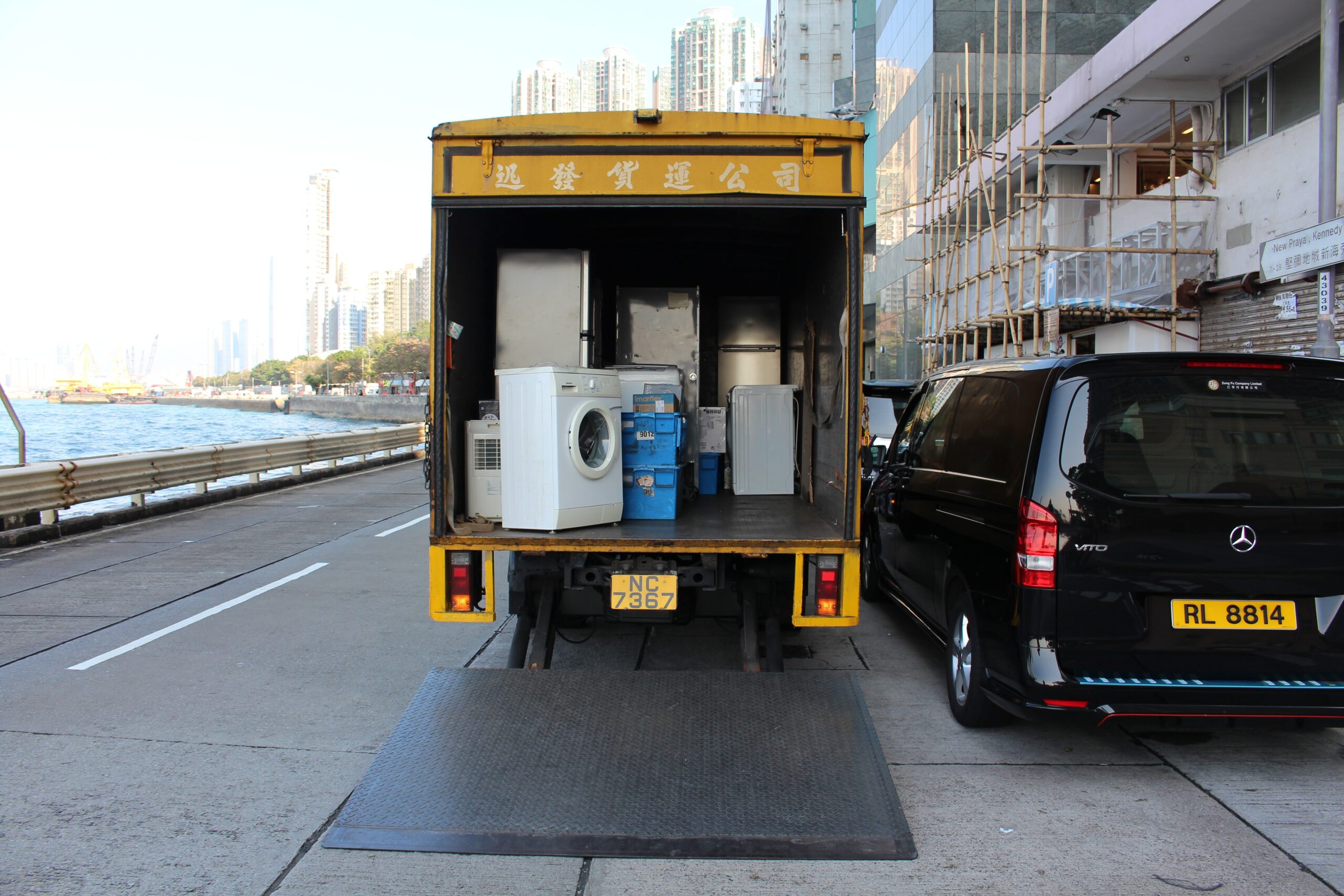
Demand for van and LGV drivers is high, and driving for a living can be a lucrative and stable career choice. But those considering joining the sector should consider the differences in driving a larger van compared to standard domestic vehicles. Here’s some of the differences to bear in mind.

Even before you start driving there are differences to consider. Driving some larger vehicles requires higher rates of taxes, and you might also find speed limits are different. Additionally, you might see some big differences in how much fuel is needed!

Where’s the mirror? Vans and commercial vehicles don’t come with a central rear view mirror. Side mirrors are vital in the absence of this rear view, especially when manoeuvring.

Driving feels different. When driving larger vehicles, you must consider the height of barriers and bridges, as well as be prepared for slower turning times. Planning is key when driving a van or LGV.

Expect a little extra. Larger vehicles tend to have a sixth gear – this is great for saving fuel when driving on the motorway.

For more information about our CPC courses, contact WeTrainCPC on 01582 383033 or rue@wetraincpc.co.uk.
The pressure is on for Diesel vehicles

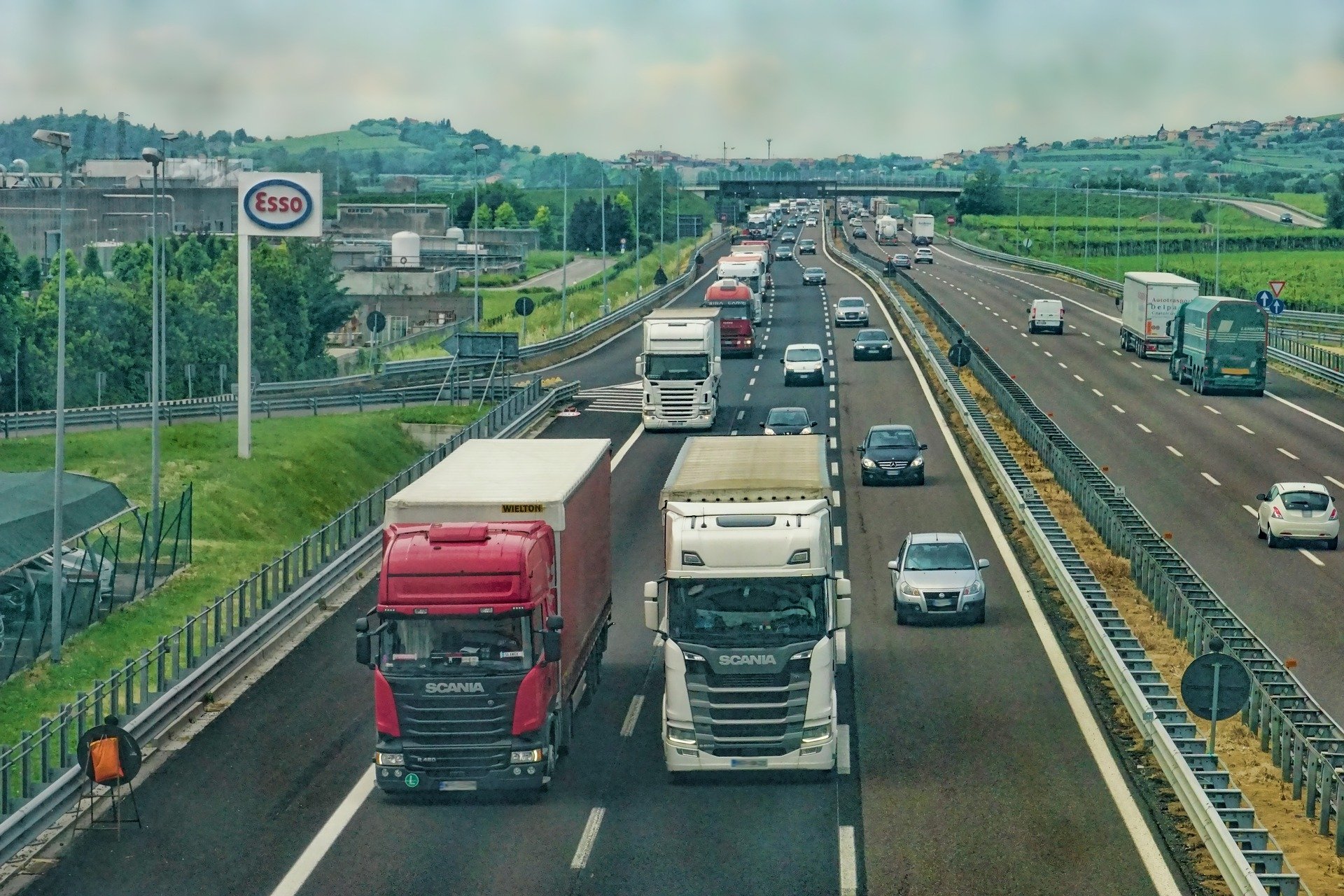
There’s no hiding from the fact that diesel vehicles cause A LOT of pollution. Recently there have been protests in the UK demanding all diesel vehicles to be banned from London, much as other major cities around the world have done.

The belief is that 3 million deaths a year are linked to outdoor air pollution, contributed in part to diesel vehicles. This pressing issue obviously has big consequences for the logistics industry, which in many cases relies heavily on diesel vehicles.

It’s clear that there’s a desire for change. Ultra low emissions zones are being introduced all over the country and many large corporations are taking notice of the issues relating to diesel vehicles and acting fast.

With new technology such as electronic vehicles becoming more of a reality, it’s vital that companies start to plan now and start to invest for the change that is coming. New developments in technology mean that cleaner vehicles are becoming more cost effective; it’s best that companies invest now rather than being left unable to operate when changes take place!

For more information about our CPC courses, contact WeTrainCPC on 01582 383033 or rue@wetraincpc.co.uk.