
Loading

Archives May 2025

How do you know if there’s something wrong with your HGV?

One of the most crucial aspects of being an HGV (Heavy Goods Vehicle) driver is understanding when something might be wrong with your vehicle. Early detection not only ensures safety on the road but also prevents costly repairs and downtime.

Here are some tell-tale signs that something is amiss:

1. Odd Noises: Listen for any unusual sounds like grinding, hissing, or squealing. These sounds can often be indicators of underlying issues that need immediate attention. A well-maintained vehicle typically operates smoothly, so any deviation from the norm should be investigated.

2. Dashboard Warnings: Never ignore those warning lights on your dashboard. They’re there for a reason! Modern vehicles are equipped with advanced diagnostic systems designed to alert you to a variety of problems – so pay attention!

3. Handling Issues: If the steering feels off or the braking responsiveness changes, take it seriously. Handling issues can affect not only your safety but also the safety of others on the road.

4. Leaks and Smells: Unfamiliar odours or visible leaks can indicate underlying problems. Fluids like oil, coolant, and brake fluid are crucial for the operation of your vehicle. Any unusual smell or visible fluid should be a red flag that needs immediate inspection.

Remember, staying vigilant and conducting regular maintenance checks on your HGV can prevent minor issues from turning into major repairs. Taking these precautions will not only keep you safe but also ensure your vehicle remains in optimal condition, leading to smoother journeys and better performance.

To book your CPC training, call Rue on 07720 737482 or email rue@wetraincpc.co.uk to find out more and book your place.
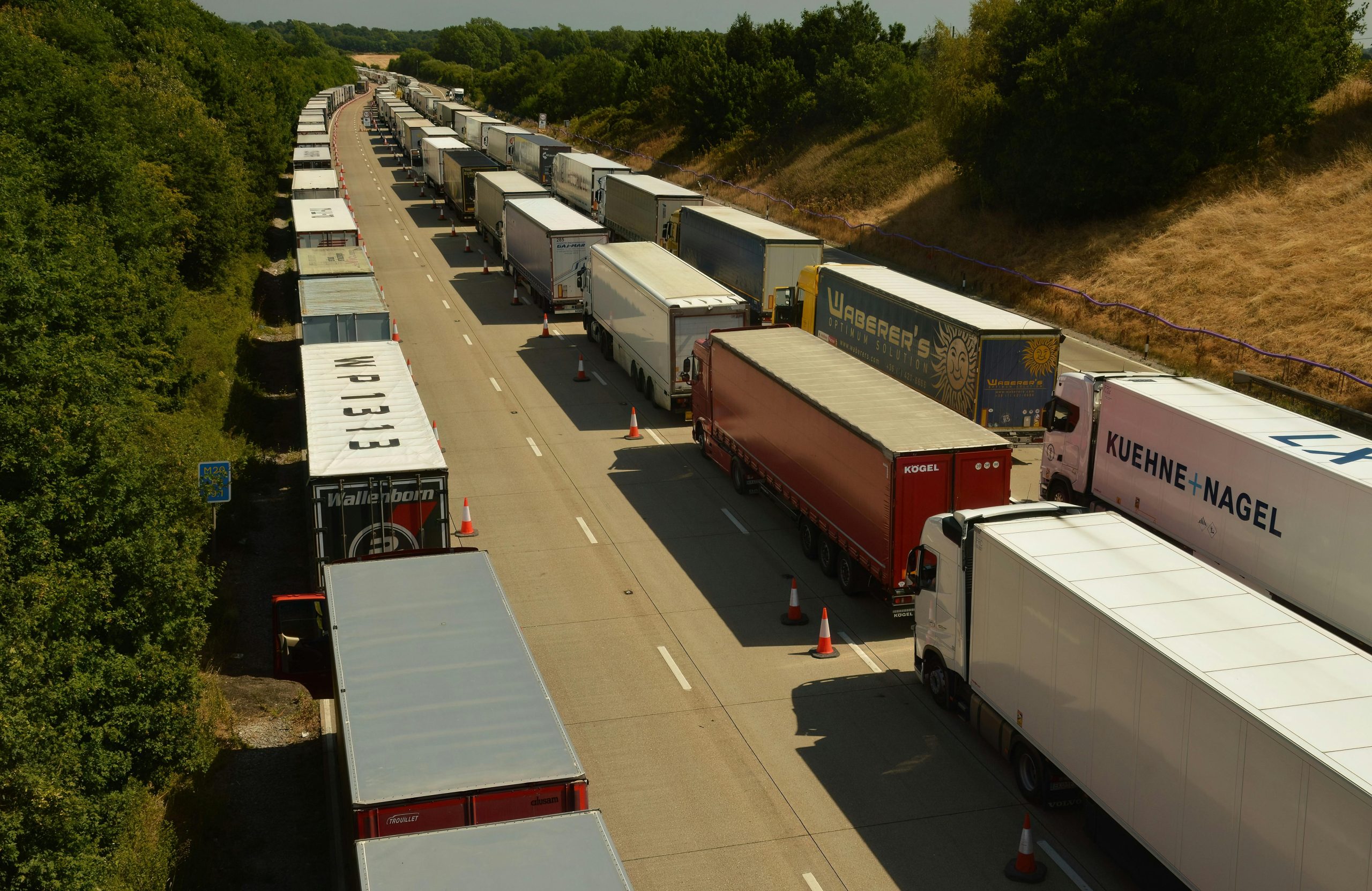
Our Top Tips for navigating summer holiday traffic

Summer holidays often bring extra traffic on UK roads, making it challenging for HGV drivers to maintain their schedules. With families taking road trips and tourists exploring new destinations, the influx of vehicles can lead to significant congestion, affecting travel times and causing frustrations. Here are some tips to navigate through the busy summer months effectively:

1. Plan Ahead: Use traffic apps like Waze or Google Maps to identify congestion points. These tools can show real-time data and alternative routes. It’s often worth starting your journey during off-peak hours to avoid the rush. Proactively planning your trips around anticipated heavy traffic periods can save you both time and stress.

2. Stay Updated: Keep an eye on real-time traffic updates through local radio stations or Traffic England’s website. They provide timely information on road closures and diversions. Subscribing to traffic alert services and following relevant social media accounts can also help you stay informed about any sudden changes in traffic patterns or road conditions.

3. Rest Well: Increased traffic can add stress and fatigue, impacting your focus and reaction time. Make sure you’re taking regular breaks at service stations, and utilise lay-bys wisely to avoid burnout. Adequate rest is crucial for maintaining alertness and ensuring safety on the road, so don’t hesitate to pause frequently to stretch and recharge.

4. Be Patient: Remember, holiday traffic is temporary. Being patient and courteous can prevent unnecessary stress and ensure a smooth trip for everyone.

It’s essential to stay calm and plan ahead to mitigate disruptions! Anticipating delays and adjusting your schedule accordingly can help you maintain your delivery timelines and reduce stress.

To book your CPC training, call Rue on 07720 737482 or email rue@wetraincpc.co.uk to find out more and book your place.