Loading

Archives 2025

Top Tips for driving your HGV in Snow

It’s that time of year again! Driving a HGV in snowy conditions can be challenging, but with the right preparation, it’s manageable. Navigating treacherous winter roads requires not just skill but careful planning and awareness. Here are some detailed tips for staying safe on the road:

Pre-Trip Inspection: Ensure your vehicle is winter-ready by thoroughly checking all critical components. Examine your tyres for adequate tread and proper inflation, assess your brakes for responsiveness, inspect your lights to ensure they are fully operational, and confirm that your wipers are effective at clearing snow and ice.

Slow Down: Reduced speed can significantly help you maintain control on icy roads. Remember, it’s better to arrive late than not at all. Reducing your speed will give you more time to react to any unexpected situations.

Increase Following Distance: On slippery surfaces, your stopping distance can be up to ten times longer. Make sure to give yourself plenty of room between your HGV and the vehicle in front. This added distance provides the necessary time to brake gently and come to a safe stop.

Use Low Gears: Engaging low gears helps maintain traction, especially when navigating uphill slopes or descending down steep inclines. Low gears prevent your wheels from spinning too quickly, reducing the risk of skidding.

Emergency Kit: Always have an emergency kit that includes essentials such as blankets, food, a first aid kit, extra clothing, and a flashlight. Include items specifically for winter conditions like ice scrapers, tire chains, and a bag of sand or cat litter for traction if you get stuck.

Stay safe out there, and remember, no load is worth risking your life! Take necessary precautions and make safety your top priority. To book your CPC training, call Rue on 07720 737482 or email rue@wetraincpc.co.uk to find out more and book your place.

LGV Drivers: Are you prepared for the festive season?

The festive season is fast approaching, and for lorry drivers, this means it’s time to prepare for an increase in demand. With a surge in deliveries, it’s crucial to ensure you’re ready to keep things moving smoothly. Here are some key things to consider:

Vehicle Maintenance: Ensure your lorry is in top condition. Regular checks on tyres, brakes, and lights can prevent breakdowns. If you have concerns, double check. Consider how your LGV responds to changing weather conditions too.

Plan Routes: Expect more traffic and potentially adverse weather conditions. Use traffic and weather apps to avoid delays and stay safe. Consider that it may take longer than usual on normal routes given the increased traffic.

Compliance: Make sure your paperwork, including licences and delivery permits, is up to date. If your CPC training is due, give us a call and we’ll book you into our next CPC training course!

Rest Well: Longer hours are likely, but safety should always come first. Adhere to regulations regarding rest periods to avoid fatigue. Eat well and look after yourself!

Being prepared can make all the difference in ensuring that everyone gets their festive deliveries on time. Let’s make this season merry and bright for all!

To book your CPC training, call Rue on 07720 737482 or email rue@wetraincpc.co.uk to find out more and book your place.

How can you make the most of your CPC training?

Driver CPC (Certificate of Professional Competence) is essential for professional bus, coach, and lorry drivers here in the UK. It’s not just about compliance; it’s about ensuring safety and efficiency on our roads.

For candidates, it’s crucial to take an active role during training. Engaging with the material and asking questions can lead to a deeper understanding, which is indispensable for your role. Just think about how much confidence you’ll gain knowing you have a solid grasp of the skills and knowledge required to navigate various road situations safely and efficiently. It not only enhances your personal safety but also impacts the well-being of fellow road users.

Employers, on the other hand, should see these training sessions as an investment in their workforce. Well-trained drivers mean fewer accidents, less downtime, and higher productivity, contributing to a more robust bottom line. Investing in your employees’ professional development shows that you value them, which can improve job satisfaction and retention rates.

The most successful training outcomes occur when both parties – employers and employees – are equally committed to the process. A collaborative approach where feedback is encouraged and acted upon can make a significant difference. Training should never be viewed as a mere checkbox but as a continuous journey toward excellence.

Engage actively, ask questions, and apply what you learn. Your future self on the road will thank you! Remember, every bit of effort you put in now is an investment in a safer and more efficient driving career.

To book your CPC training, call Rue on 07720 737482 or email rue@wetraincpc.co.uk to find out more and book your place.

Drive safely in rainy weather

Navigating the roads in rainy weather can be particularly challenging for LGV drivers. It’s crucial to adapt your driving habits to ensure safety and avoid unnecessary risks. Rain not only reduces visibility but also significantly impacts the condition of the roads, making it essential to be extra cautious and prepared. Here are a few tips to help you stay safe on wet roads:

1. Maintain a Safe Distance – Wet roads increase stopping distances, making it harder to stop quickly when necessary. Always keep a larger gap between your vehicle and the one in front. This gives you more time to react to sudden stops or changes in traffic conditions.

2. Reduce Speed – Slowing down helps you maintain better control over your vehicle and manage those unpredictable slick spots that can cause skidding. Lower speeds reduce the risk of hydroplaning and improve your ability to navigate through puddles and waterlogged areas safely.

3. Check Tyres – Regularly ensure that your tyres are in good condition and have the correct pressure. Good tread is essential for grip on wet surfaces, and under-inflated tyres can further reduce your vehicle’s stability.

4. Use Headlights – Make yourself visible to other drivers. Rain often diminishes natural light, reducing overall visibility on the roads. Using your headlights, even during the day, can make it easier for other drivers to see you and avoid accidents.

5. Avoid Sudden Movements – Smooth and gradual is the key to steering, braking, and accelerating in wet conditions. Sudden movements can cause your vehicle to lose grip and control, leading to potentially dangerous situations. Always plan your moves in advance and execute them gently.

To book your CPC training, call Rue on 07720 737482 or email rue@wetraincpc.co.uk to find out more and book your place.

Why do drivers need to repeat their CPC training?

Driver CPC (Certificate of Professional Competence) training is essential for professional drivers in the UK. But why is it necessary to repeat this training every five years?

The primary reason is to ensure drivers remain updated with the latest safety regulations and best practices. The road transport industry evolves rapidly, with new laws and technologies shaping how drivers operate. Continuous professional development ensures that drivers are well-equipped to handle changing conditions and maintain safety on the roads. This regular updating process helps mitigate risks and ensures that all drivers have a uniform understanding of their responsibilities.

Repeated CPC training also reinforces essential skills and knowledge. It can prevent bad habits from forming and helps drivers stay sharp and proficient. This is crucial in maintaining high standards of professionalism and safety in the industry. Regular training sessions serve as a valuable refresher, highlighting critical aspects that might be overlooked during day-to-day operations. By frequently revisiting these core principles, drivers can continually refine their techniques and approaches, making them more adept and reliable in their roles.

Additionally, regular training can boost a driver’s confidence and competency, leading to better job performance and increased job satisfaction. It’s an investment not only in their skills but also in the overall public safety.

Ultimately, repeated CPC training supports the aim of reducing road accidents, injuries, and fatalities. For our transport sector to function efficiently and safely, continuous education for our drivers is non-negotiable. By promoting an ongoing learning culture, we can ensure that our roads remain safer for everyone—drivers, passengers, and pedestrians alike.

So book with us today!

To book your CPC training, call Rue on 07720 737482 or email rue@wetraincpc.co.uk to find out more and book your place.

Make the most of rest periods as a HGV Driver

As we all know, driving a Heavy Goods Vehicle (HGV) isn’t just about getting from A to B – it’s about doing so safely and efficiently. One crucial aspect often overlooked is the importance of making the most of rest periods.

Studies show that fatigue is one of the leading causes of road accidents. Ensuring that rest periods are truly restful can dramatically improve your alertness and performance. Here are a few tips to optimise your downtime:

1. Plan Your Rest Stops: Choose locations with good facilities so you can stretch, have a proper meal, and use clean restrooms. It’s also beneficial to find spots that are quiet and peaceful, allowing for a more relaxing break.

2. Disconnect: Take this time to switch off from work-related tasks. A quick breathing exercise or a short walk can work wonders. Engage in activities that you find relaxing, such as reading a book or listening to your favourite music.

3. Quality Sleep: Invest in a comfortable pillow and blackout curtains for your sleeper cab or rest area to ensure quality sleep. Additionally, maintaining a regular sleep schedule as much as possible can help regulate your body clock.

4. Stay Hydrated and Eat Healthily: These can keep your energy levels up and prevent fatigue. Avoid heavy meals that can make you feel sluggish, and opt for nutritious snacks instead.

Additionally, regular physical activity during rest periods can greatly benefit your overall health and alertness. Simple exercises like stretching or light exercises can help keep your body limber and reduce stress.

Remember – well-rested drivers are safe drivers. Let’s prioritise rest for the safety of everyone on the road. Taking care of yourself during your downtime will not only make your job easier but will also ensure that you are contributing to a safer driving environment for all.

To book your CPC training, call Rue on 07720 737482 or email rue@wetraincpc.co.uk to find out more and book your place.

How can you drive your HGV most efficiently?

Driving a Heavy Goods Vehicle (HGV) efficiently isn’t just about getting from point A to point B – it’s about doing so safely, economically, and sustainably. But what does this really entail? Here are some top tips:

1. Smooth Acceleration and Braking – It’s critical to avoid harsh acceleration and braking. Not only does this save fuel, but it also significantly reduces wear and tear on the vehicle. Gradual acceleration and deceleration contribute to overall better vehicle health.

2. Optimal Speed – Maintaining a consistent and moderate speed is crucial. Driving at a steady speed of 50-60 mph is generally the most fuel-efficient for HGVs. Studies indicate that this speed range provides the best balance between efficiency and timely delivery.

3. Tyre Maintenance – Regularly checking tyre pressure is a must. Underinflated tyres can increase rolling resistance, leading to higher fuel consumption by as much as 3%. Proper tyre maintenance not only saves fuel, but also ensures a safer drive.

4. Route Planning – Advanced route planning can lead to considerable savings. Choosing the most fuel-efficient routes and avoiding congested areas can save both time and fuel. Investing time in planning routes can pay off significantly in the long run.

5. Use Technology – Leveraging the latest technology is a game-changer. Utilising telematics and GPS systems allows you to monitor driving habits and identify areas for improvement. With real-time data, making informed decisions to enhance driving efficiency becomes much easier.

Implementing these small yet impactful changes can lead to significant savings and make your journey smoother and more sustainable in the long run.

To book your CPC training, call Rue on 07720 737482 or email rue@wetraincpc.co.uk to find out more and book your place.

Stay safe when driving in extreme heat

HGV drivers well-being is hugely important. And it’s important you look after yourself in extreme heat (and we’ve seen plenty of it in the last few weeks!)

Extreme temperatures can turn an already challenging job into a potentially hazardous one. It’s not just about being uncomfortable; heat can significantly affect a driver’s ability to stay alert and make quick decisions, which is absolutely crucial for their safety and the safety of others on the road. Staying hydrated is crucial; always have plenty of water on hand and make sure it’s easily accessible. Drink small amounts regularly rather than waiting until you feel thirsty.

Dress appropriately in light, breathable clothing that helps your body stay cool, and make sure to take regular breaks in shaded or air-conditioned areas to allow your body to recover from the heat.

Additionally, vehicle maintenance is vital – ensuring your air conditioning is in top shape can make an enormous difference in your comfort and health. Regularly checking tyre pressures is essential, as heat can cause tyres to expand, increasing the risk of blowouts. Also, ensuring that all fluid levels, such as oil and coolant, are adequate can help prevent the engine from overheating.

These may seem like small steps, but collectively, they can make a significant difference in ensuring that our drivers remain safe and healthy on the job.

To book your CPC training, call Rue on 07720 737482 or email rue@wetraincpc.co.uk to find out more and book your place.

How do you know if there’s something wrong with your HGV?

One of the most crucial aspects of being an HGV (Heavy Goods Vehicle) driver is understanding when something might be wrong with your vehicle. Early detection not only ensures safety on the road but also prevents costly repairs and downtime.

Here are some tell-tale signs that something is amiss:

1. Odd Noises: Listen for any unusual sounds like grinding, hissing, or squealing. These sounds can often be indicators of underlying issues that need immediate attention. A well-maintained vehicle typically operates smoothly, so any deviation from the norm should be investigated.

2. Dashboard Warnings: Never ignore those warning lights on your dashboard. They’re there for a reason! Modern vehicles are equipped with advanced diagnostic systems designed to alert you to a variety of problems – so pay attention!

3. Handling Issues: If the steering feels off or the braking responsiveness changes, take it seriously. Handling issues can affect not only your safety but also the safety of others on the road.

4. Leaks and Smells: Unfamiliar odours or visible leaks can indicate underlying problems. Fluids like oil, coolant, and brake fluid are crucial for the operation of your vehicle. Any unusual smell or visible fluid should be a red flag that needs immediate inspection.

Remember, staying vigilant and conducting regular maintenance checks on your HGV can prevent minor issues from turning into major repairs. Taking these precautions will not only keep you safe but also ensure your vehicle remains in optimal condition, leading to smoother journeys and better performance.

To book your CPC training, call Rue on 07720 737482 or email rue@wetraincpc.co.uk to find out more and book your place.
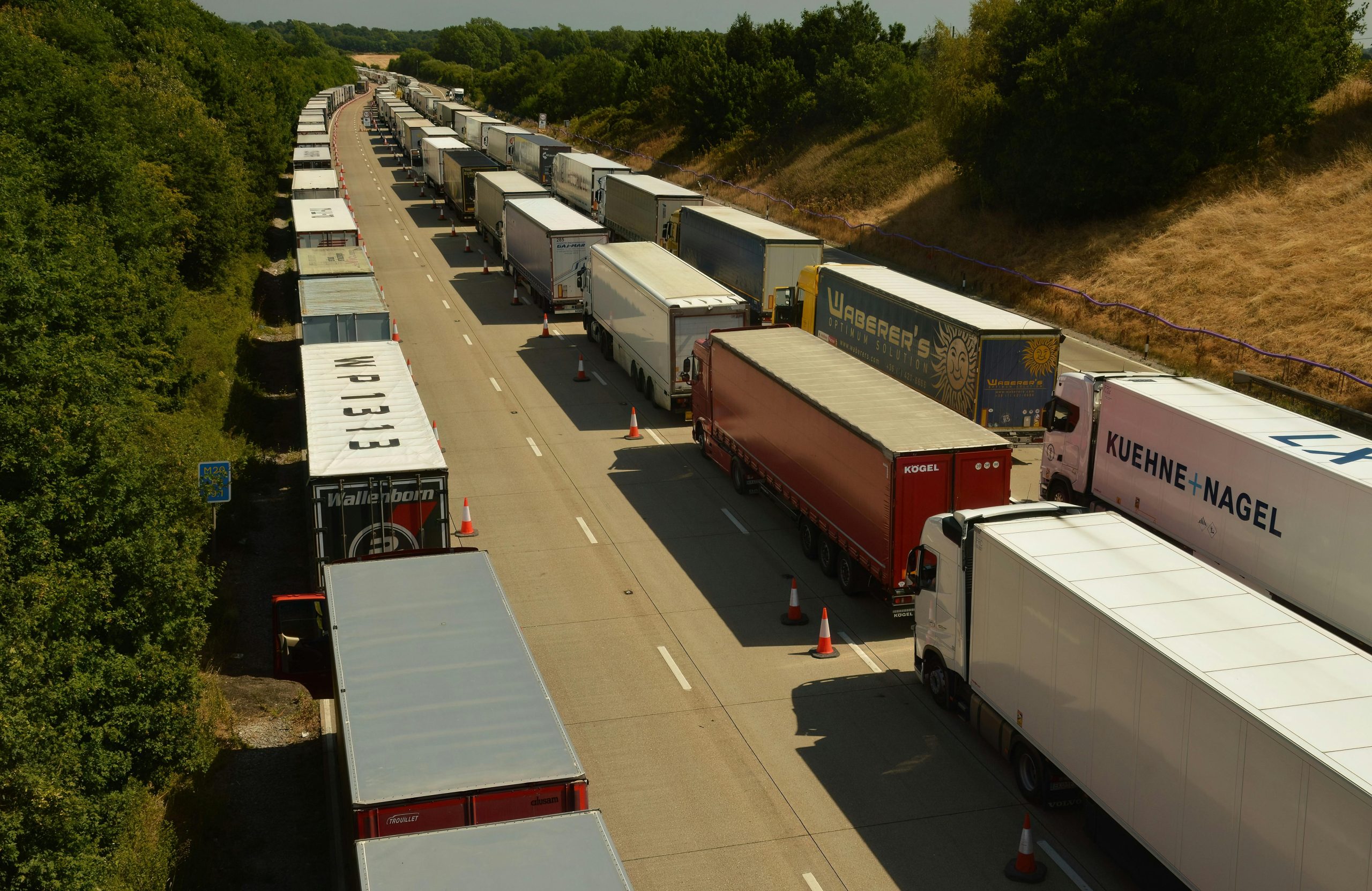
Our Top Tips for navigating summer holiday traffic

Summer holidays often bring extra traffic on UK roads, making it challenging for HGV drivers to maintain their schedules. With families taking road trips and tourists exploring new destinations, the influx of vehicles can lead to significant congestion, affecting travel times and causing frustrations. Here are some tips to navigate through the busy summer months effectively:

1. Plan Ahead: Use traffic apps like Waze or Google Maps to identify congestion points. These tools can show real-time data and alternative routes. It’s often worth starting your journey during off-peak hours to avoid the rush. Proactively planning your trips around anticipated heavy traffic periods can save you both time and stress.

2. Stay Updated: Keep an eye on real-time traffic updates through local radio stations or Traffic England’s website. They provide timely information on road closures and diversions. Subscribing to traffic alert services and following relevant social media accounts can also help you stay informed about any sudden changes in traffic patterns or road conditions.

3. Rest Well: Increased traffic can add stress and fatigue, impacting your focus and reaction time. Make sure you’re taking regular breaks at service stations, and utilise lay-bys wisely to avoid burnout. Adequate rest is crucial for maintaining alertness and ensuring safety on the road, so don’t hesitate to pause frequently to stretch and recharge.

4. Be Patient: Remember, holiday traffic is temporary. Being patient and courteous can prevent unnecessary stress and ensure a smooth trip for everyone.

It’s essential to stay calm and plan ahead to mitigate disruptions! Anticipating delays and adjusting your schedule accordingly can help you maintain your delivery timelines and reduce stress.

To book your CPC training, call Rue on 07720 737482 or email rue@wetraincpc.co.uk to find out more and book your place.