Loading

How do you know if there’s something wrong with your HGV?

One of the most crucial aspects of being an HGV (Heavy Goods Vehicle) driver is understanding when something might be wrong with your vehicle. Early detection not only ensures safety on the road but also prevents costly repairs and downtime.

Here are some tell-tale signs that something is amiss:

1. Odd Noises: Listen for any unusual sounds like grinding, hissing, or squealing. These sounds can often be indicators of underlying issues that need immediate attention. A well-maintained vehicle typically operates smoothly, so any deviation from the norm should be investigated.

2. Dashboard Warnings: Never ignore those warning lights on your dashboard. They’re there for a reason! Modern vehicles are equipped with advanced diagnostic systems designed to alert you to a variety of problems – so pay attention!

3. Handling Issues: If the steering feels off or the braking responsiveness changes, take it seriously. Handling issues can affect not only your safety but also the safety of others on the road.

4. Leaks and Smells: Unfamiliar odours or visible leaks can indicate underlying problems. Fluids like oil, coolant, and brake fluid are crucial for the operation of your vehicle. Any unusual smell or visible fluid should be a red flag that needs immediate inspection.

Remember, staying vigilant and conducting regular maintenance checks on your HGV can prevent minor issues from turning into major repairs. Taking these precautions will not only keep you safe but also ensure your vehicle remains in optimal condition, leading to smoother journeys and better performance.

To book your CPC training, call Rue on 07720 737482 or email rue@wetraincpc.co.uk to find out more and book your place.

Our Top Tips for navigating summer holiday traffic

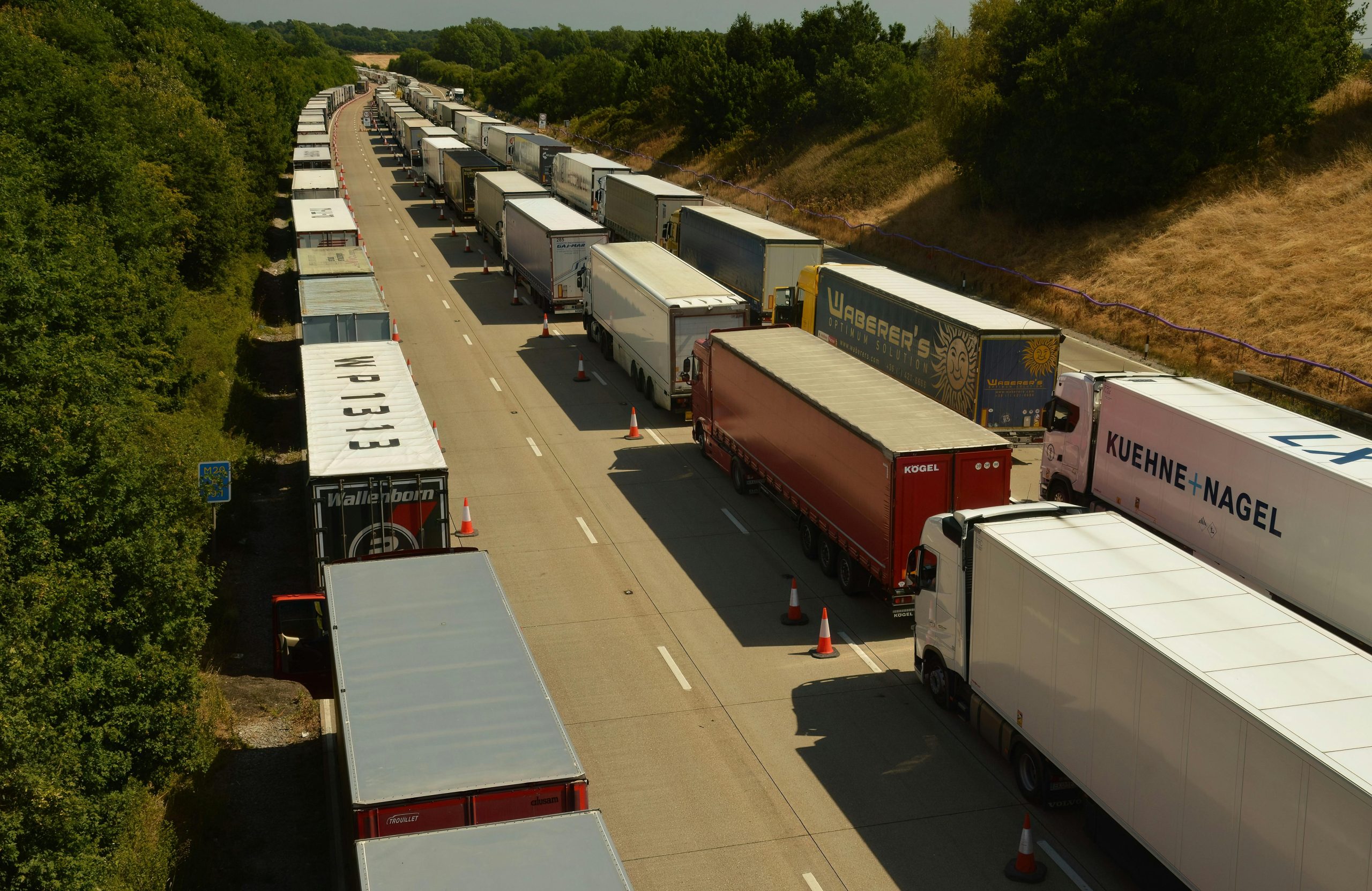
Summer holidays often bring extra traffic on UK roads, making it challenging for HGV drivers to maintain their schedules. With families taking road trips and tourists exploring new destinations, the influx of vehicles can lead to significant congestion, affecting travel times and causing frustrations. Here are some tips to navigate through the busy summer months effectively:

1. Plan Ahead: Use traffic apps like Waze or Google Maps to identify congestion points. These tools can show real-time data and alternative routes. It’s often worth starting your journey during off-peak hours to avoid the rush. Proactively planning your trips around anticipated heavy traffic periods can save you both time and stress.

2. Stay Updated: Keep an eye on real-time traffic updates through local radio stations or Traffic England’s website. They provide timely information on road closures and diversions. Subscribing to traffic alert services and following relevant social media accounts can also help you stay informed about any sudden changes in traffic patterns or road conditions.

3. Rest Well: Increased traffic can add stress and fatigue, impacting your focus and reaction time. Make sure you’re taking regular breaks at service stations, and utilise lay-bys wisely to avoid burnout. Adequate rest is crucial for maintaining alertness and ensuring safety on the road, so don’t hesitate to pause frequently to stretch and recharge.

4. Be Patient: Remember, holiday traffic is temporary. Being patient and courteous can prevent unnecessary stress and ensure a smooth trip for everyone.

It’s essential to stay calm and plan ahead to mitigate disruptions! Anticipating delays and adjusting your schedule accordingly can help you maintain your delivery timelines and reduce stress.

To book your CPC training, call Rue on 07720 737482 or email rue@wetraincpc.co.uk to find out more and book your place.

Secure your load: Tips for ensuring a successful delivery of goods

Ensuring your load is secure and safe when long distance driving isn’t just a box-ticking exercise – it’s a critical part of road safety and compliance. It’s not merely about meeting regulatory standards; it’s about protecting lives, including your own. Here are some top tips that will keep you on the road and out of trouble:

1. Plan Your Load Distribution: Ensure weight is evenly distributed. Heavy items should be lower and closer to the axle. This ensures better balance and minimises the risk of tipping over.

2. Use Proper Restraints: Ropes and straps aren’t one-size-fits-all. Make sure you’re using the correct restraints for your load type. Different materials and weights require specific types of restraints to secure them properly.

3. Check During Stops: Regularly inspect load stability during breaks. Tightening and adjusting can prevent dangerous shifts. Small adjustments and constant vigilance can make a huge difference in maintaining stability.

4. Weather Conditions: Be mindful of how weather can affect your load. Rain and wind can impair stability. Plan ahead for adverse weather conditions and take necessary precautions to secure the load further if needed.

5. Understand Legal Requirements: Be well-versed in DVSA regulations to avoid penalties and ensure road safety. Compliance with these regulations not only avoids fines but also ensures that you are practicing the highest standards of safety.

By paying attention to these details, you won’t just stay compliant – you’ll stay safe. Each journey is an opportunity to practice and perfect these vital skills, ultimately contributing to a culture of safety within the logistics industry.

To book your CPC training, call Rue on 07720 737482 or email rue@wetraincpc.co.uk to find out more and book your place.

Complete your CPC training in just one week – Book Today

As well as offering tailored CPC training for organisations, we’re also now offering week long CPC training courses – giving you the chance to complete your 5 year training in just one week.

Based at our training offices in Milton Keynes, we’re offering drivers an opportunity to complete CPC training as part of their five year requirement.

Our next training week will begin on 14 April.

Tea and coffee will be available all day and free parking is available on site.

You can book your training with us for £60 plus VAT, inclusive of DVSA upload.

Don’t leave it to the last minute – book now to avoid disappointment! We have limited spaces available on each course, so don’t delay – we book on a first come, first served basis.

What are you waiting for? Book your place today! Call Rue on 07720 737482 or email rue@wetraincpc.co.uk to find out more and book your place.

Important changes to CPC driver training

CPC driver training remains a top priority and legal requirement for drivers – and there were some important changes to the training just recently. Here’s a breakdown of the changes you need to be aware of.

For national divers only, your training requirements are now more flexible.

If you only want to drive in the UK, you can take either:

  • – 35 hours of National Driver CPC training every 5 years
  • – a combination of 35 hours of National Driver CPC and International Driver CPC training every 5 years

National Drive CPC training courses:

  • – Are at least 3 hours and 30 minutes long – but can be longer
  • – Don’t need to be completed on 2 consecutive days if it’s a split course
  • – Can be online learning only
  • – Allow a total of 12 hours online learning towards your 35 hours

If you only drive in the UK you can take a combination of 35 hours of National and International CPC training every 5 years to stay qualified.

We’re here if you have an CPC training questions or requirements – just get in touch!

For more information about our CPC courses, call Rue on 07720 737482 or email rue@wetraincpc.co.uk. to find out more and book your place.

Stay safe driving on frosty roads

Winter’s frost is upon us, and it’s more important than ever to keep safety at the forefront when driving. Each year, countless accidents occur on UK roads due to icy conditions, many of which can be prevented with a few simple precautions.

First and foremost, ensure your vehicle is winter-ready. This means checking your tyre tread and pressure, making sure your windscreen is clear, and your battery is fully charged. Always keep an emergency kit in your car, including an ice scraper, gloves, and a warm blanket. Don’t forget to top up your antifreeze and ensure your windscreen wipers are in good condition.

While driving, reduce your speed and maintain a greater distance from other vehicles. Frost can turn roads into slippery hazards, making sudden stops dangerous. Remember, it’s better to arrive late than not at all. Also, be mindful of black ice, particularly in shaded areas of the road where the sun doesn’t reach. This invisible threat can catch even the most experienced drivers off guard. Stay extra cautious at intersections, bridges, and overpasses as these tend to freeze first.

What are your top tips for staying safe when driving in winter?

For more information about our CPC courses, call Rue on 07720 737482 or email rue@wetraincpc.co.uk. to find out more and book your place.

Why is the CPC driver training requirement so important?

CPC driver training was introduced way back in 2009. September this year saw the third 5 year cycle come to a close. CPC has changed the way drivers think about their work and their safety and to this day it remains a hugely important part of ensuring our roads are safer and our drivers are well skilled.

It seemed strange to many when it was first introduced, as if drivers would be forced to spend vital driving time in the classroom being taught things they already know. But it’s clear that repeated training, refreshing previous training, is a highly effective way of aiding learning. The more times we go over a subject, the more effectively we can recall the details.

As such spending just 35 hours going over key learnings for drivers can have a significant impact on ability and efficiency. Drivers have found that their skills are improving and road safety is on the up. Not only is CPC a legal requirement, it’s making a difference every day for our drivers.

For more information about our CPC courses, call Rue on 07720 737482 or email rue@wetraincpc.co.uk. to find out more and book your place.

What should you do if your LGV breaks down on the motorway?

Driving a heavy goods vehicle is a huge responsibility – and when things go wrong, it can be frustrating and at times dangerous. A lorry breakdown on the motorway can cause a lot of disruption – so what should you do if your lorry breaks down on the motorway?

Keep calm! It’s easy to get flustered or anxious. Staying calm will mean you can manage the situation more effectively.

Stop safely. If possible try to manoeuvre your vehicle into a safe place to stop. Try to aim for a hard shoulder or emergency stop area if you can. Aim to keep the motorway as clear as possible.

Be safe. If you’re in a live motorway lane stay in the vehicle with your seatbelt on. Make sure you turn your hazard lights on to alert people that you’ve broken down.

Contact your breakdown provider. Don’t attempt to make repairs yourself – leave it to the experts! You may also want to consider if the emergency services need to be called if the road is blocked.

Your CPC driver training will also provide an update on best practise. Book your CPC training with us – Call Rue on 07720 737482 or email rue@wetraincpc.co.uk to find out more and book your place.

Are you too tired to drive?

Drivers will often have to work long hours to cover the distances needed in their jobs. Long hours can lead to tired drivers – but how do you know if you’re too tired to drive?

Yawning and dry eyes may be obvious signs that you’re tired and need a rest. But there could be other signs you’re too tired that you may have missed.

Can you concentrate? Do you find yourself daydreaming or drifting off, or unable to focus on the road in front of you? It could be time for a break if so – getting distracted behind the wheel could be very dangerous.

Is your blinking slower or more rapid than usual? Or are you experiencing involuntary head nods? These could be signs that you are starting to fall asleep.

If you’re also finding your reaction times are slower or you’re struggling to stay in your lane it’s time to take a break.

Why does all this matter? Driving heavy goods vehicles is a huge responsibility. Mistakes can lead to seriously endangering lives, which is why drivers must ensure they are fit to drive.

Book your CPC training with us – Call Rue on 07720 737482 or email rue@wetraincpc.co.uk to find out more and book your place.

Are lorry drivers still in demand in 2024?

For a number of years HGV and LGV drivers have been well in demand across the country, with the demand for fast logistics higher than ever. This demand for drivers continues to grow in 2024.

One of the reasons this demand continues to grow is because of the number of driving professionals that retire each year. As more drivers retire, the demand to replace them grows. If you’re looking for a career change, driving could be the fresh start you’re looking for.

The growth of e-commerce and fast logistics means that even more drivers are required than ever to fulfil the demands of consumers and businesses alike. Drivers play a crucial role in the smooth running of the logistics sector.

But not only are drivers in demand, but the sector also requires drivers willing to adapt to challenges and committed to development and training throughout their careers.

The modern supply chain faces unexpected challenges. Stay up to date with your CPC training to make sure you can face these challenges as a fully qualified driver.

Book your CPC training with us – Call Rue on 07720 737482 or email rue@wetraincpc.co.uk to find out more and book your place.