
There’s not long to go now until the transition period after the UK left the EU in January 2020 comes to an end, and it’s important for LGV and HGV drivers working in the EU to be ready for some potential changes to their normal routine. Here’s what you need to be aware of.
From January 1st, you may require an ECMT permit to travel through EU countries. You can read more about these permits in our previous blog.
The following types of trailers must be registered before travelling through EU countries:
Commercial trailers weighing over 750kg
Non-commercial trailers weighing over 3,500kg
A certificate for abnormal loads should be kept in your vehicle to present at border crossings. Some countries have different regulations when it comes to abnormal loads, so you may need to check!
GB stickers will need to be displayed on the back of your vehicle and the trailer, but not when driving through Ireland.
You won’t require a visa for travelling in the EU; you can stay for up to 90 days in any 180 day period.
For more information, visit the government website here.
We provide low cost, flexible driver CPC training according to your needs. To book your driver CPC training, contact us on 01582 383033 or rue@wetraincpc.co.uk.

Logistics is a 24 hour business, with HGV and LGV drivers often working night shifts to tight deadlines. It’s really important that drivers are extra diligent when it comes to driving at night, even if it becomes the norm – here’s our top tips.
Take refreshments. We recommend water and healthy snacks, and advise caution when reaching for the coffee. Caffeine may give you an instant energy kick but could leave you feeling more drained in the long run.
Keep your vehicle comfortable. Make sure all windows are cleaned inside and out to avoid dazzle; if you are struggling against the dazzle of oncoming headlights, try turning on your interior light to reduce the impact. Make sure your cab is well ventilated – plenty of oxygen will keep you feeling refreshed and alert!
Take plenty of breaks! Always take your break in full. Try to get out of your vehicle if you can safely to stretch out during your break. If you feel too tired to keep on driving, stop immediately.
Stay legal and avoid costly fines – Book your CPC driver training with us today! We provide low cost, flexible driver CPC training according to your needs. To book your driver CPC training, contact us on 01582 383033 or rue@wetraincpc.co.uk.

Are you aware of ECMT Permits and the application process? With the Brexit transition period coming to an end, it’s important your organisation is prepared to ensure a full continuation of your services.
ECMT permits give permission to carry most types of good and products or drive an empty vehicle through ECMT member countries. You may need a ECMT licence from January 2021 to travel through the EU, depending on your services.
You need an ECMT permit to carry most products or drive an empty vehicle through the EU (except Cyprus), Liechtenstein, Norway, Switzerland and the UK to these 13 countries:
Albania, Armenia, Azerbaijan, Belarus, Bosnia and Herzegovina, Georgia, North Macedonia, Moldova, Montenegro, Russia, Serbia, Turkey, and Ukraine.
The deadline for applications is Friday 20th November, so don’t delay! More information is available here.
We provide low cost, flexible driver CPC training according to your needs. To book your driver CPC training, contact us on 01582 383033 or rue@wetraincpc.co.uk.
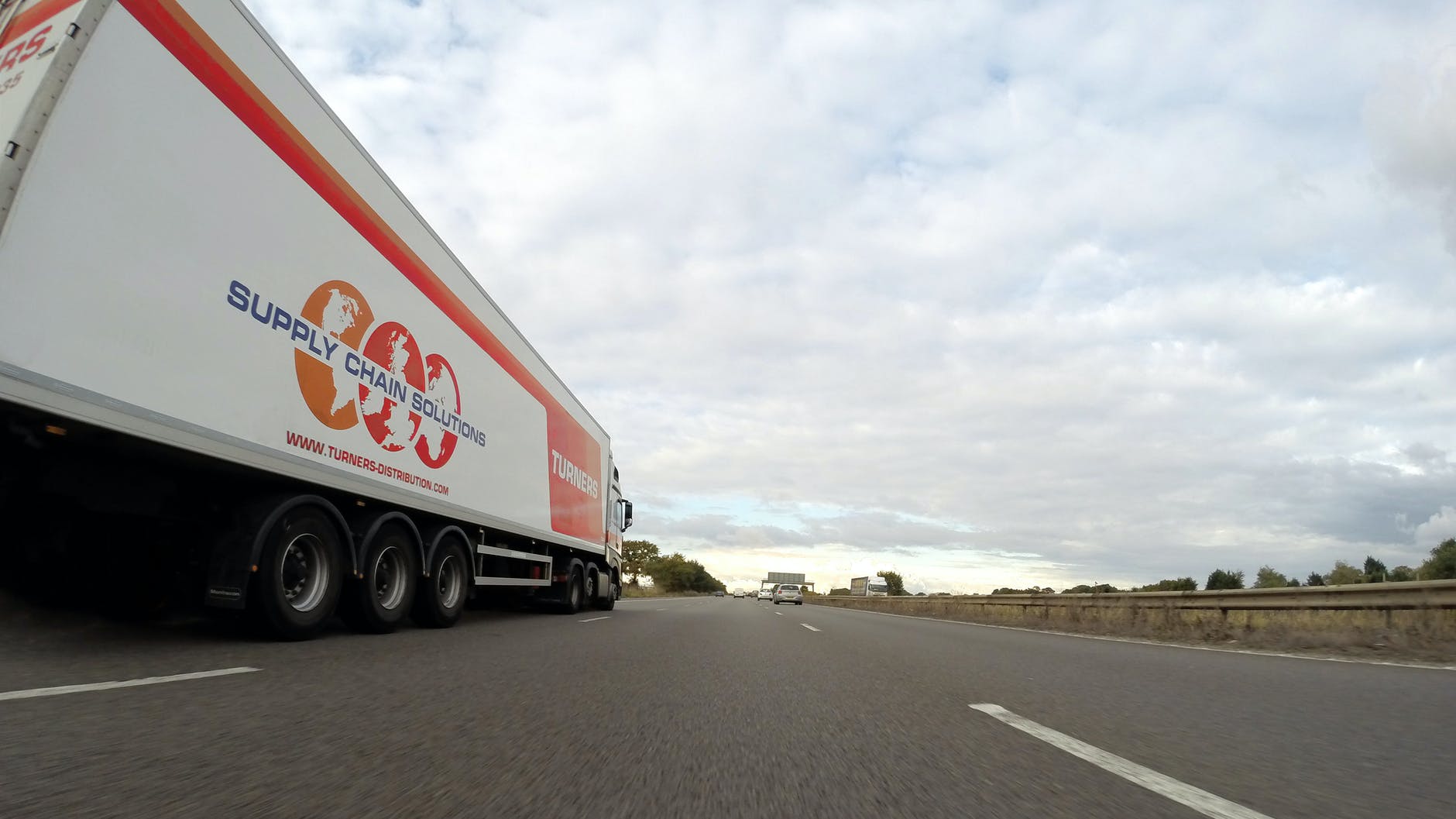
Fuel is an important commodity – and it’s costly! There are a number of ways you can adjust your driving, even if you’re driving a HVG or LVG, to save on fuel. Here’s our suggestions.
Plan ahead. LGV and HGV drivers are used to reading the road ahead of them well in advance to stay safe, but there are other benefits too, such as saving fuel – by anticipating braking in advance, rather than slamming on the brakes, you’ll use less fuel to get back up to speed.
Don’t be held back. As your vehicle speeds up air resistance or drag builds up, which can result in using more fuel. Fitting wind deflectors can have a huge impact on keeping fuel costs down.
Check your tyres! Under inflated tyres result in the engine having to work much harder, resulting in higher fuel consumption. They also pose a safety risk, so check your tyres regularly.
Limit the air conditioning. The power used for the air conditioning comes from the engine which increases fuel consumption. Think about limiting your use of air conditioning where possible and definitely turn it off when you have the windows open.
For more information about our online driver CPC courses, contact 01582 383033 or rue@wetraincpc.co.uk.

CPC driver courses are mandatory training for anyone wanting to drive a lorry, bus or coach. Anyone driving these vehicles must complete 35 hours of training every 5 years, spread out to suit their schedules. As well as being a legal requirement, there are a number of benefits to CPC training – Here’s just a few.
Employment opportunities. Drivers are in demand – and if you’re considering a career change to driving large vehicles, having completed CPC driver training already is a huge bonus.
Become a healthy and aware driver. Awareness when driving larger vehicles is hugely important – especially when it comes to your own health. CPC courses teach drivers to be aware of their own tiredness and stress and the implications when driving when weary or distracted, making roads safer for everyone.
Good for the environment – and bank balance. CPC training teaches drivers how to be effective and efficient drivers, as a result using less fuel. Less fuel consumption is better for the environment and saves money along the way – what have you got to lose?!
For more information about our online driver CPC courses, contact 01582 383033 or rue@wetraincpc.co.uk.
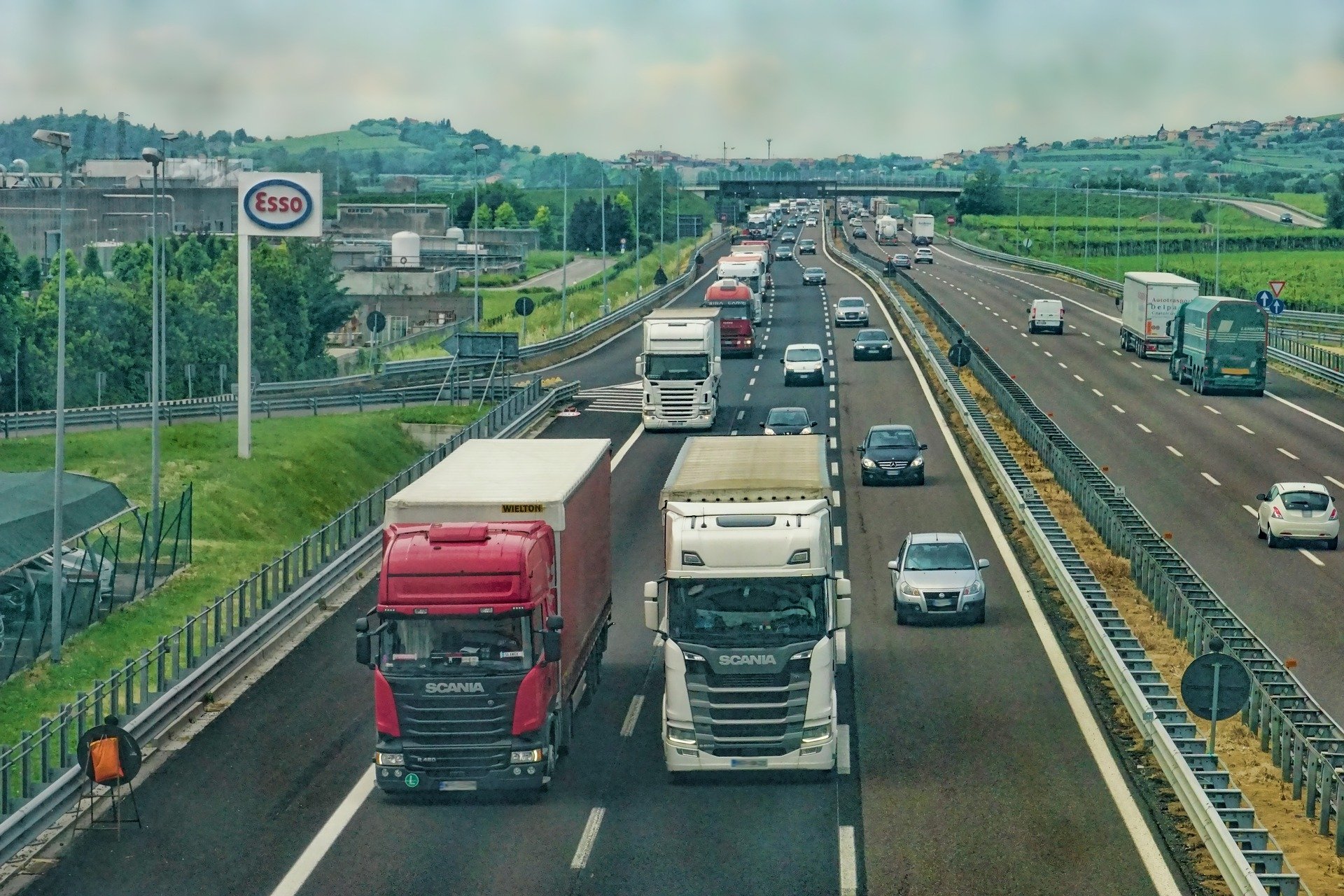
The coronavirus pandemic is something none of us expected this year, and it has had a huge impact on logistics. LGV and HGV Drivers are in demand more than ever, but it’s vital that drivers stay safe during these unprecedented times. Here’s how.
Make sure there are clear guidelines in place. Organisations are required to have clear COVID safety guidelines available to all those on site, including drivers who may not be on site all the time. Guidelines must take into account drivers travelling to and from sites and how everyone can stay safe at all times.
Give drivers access to the facilities. It’s a legal requirement to give any and all drivers access to toilets and hand washing facilities whilst they are on site. Signage giving directions to facilities or designating separate facilities for drivers are great ways to keep everyone safe.
Always adhere to social distancing. Provide safe break rooms or spaces for drivers, with room for everyone to social distance safely. If you’re limited on space, drivers could also wait safely in their cabs.
Stay safe everyone!
For more information about our online driver CPC courses, contact us on 01582 383033 or rue@wetraincpc.co.uk.

HGV and LGV drivers are used to driving through lots of different terrain and weather conditions, it’s an essential part of the job – but driving through towns and cities can prove extra challenging. Here’s what to look out for.
Which way?! Some towns and cities have complex road systems to try and manage the traffic load, with some layouts leaving newbies scratching their heads in confusion. Leave more time where possible to try and navigate tricky systems.
Watch out for pedestrians! Towns and cities mean more people walking at the side and sometimes in the road in front of you – and sometimes they won’t adhere to safe road crossing. Be extra vigilant of people in the road when driving through a town or city – you’ll be surprised how many people are more interested in scrolling through their phone whilst crossing a busy road than keeping safe!
Check the restrictions. Many cities like London and other growing places are implementing road schemes to try and cut down congestion and pollution – check if you need to sign up to a scheme or obtain a licence to cross through a city just in case.
For more information about our online CPC driver training, contact us on 01582 383033 or rue@wetraincpc.co.uk.

Are you looking for a career change into something long term, rewarding and secure? It’s time to consider a career in HGV/LGV driving – and here’s why.
You’re in demand! There’s a real shortage of licenced and qualified drivers, given the growing demand on ecommerce and next day delivery – With such a shortage, those entering the sector and completing the required training are sure to land themselves a brand new role with ease. And the demand just keeps on growing, making a career in HGV / LGV driving very secure.
Variety is the spice of life! Is the 9 to 5 in the office just not for you? A career in driving offers a sense of freedom and variety – No office politics, and a wide range of products and logistical challenges to choose from!
What about the money? Depending on training and experience, salaries for LGV/HGV drivers can reach £35,000 – £40,000. There’s also a lot of options for flexibility – due to the nature of the work, drivers can decide if they’d rather go for a permanent, full time position, or pick from a range of temporary roles, offering ultimate flexibility.
For more information about our CPC courses, contact WeTrainCPC on 01582 383033 or rue@wetraincpc.co.uk.

Here at Flexistaff Solutions, we’re all about helping out drivers. From driver CPC training to forklift training, if it’s driving-related, we’re on it. And recently, we’ve been hearing a lot of talk about smart motorways.
There’s been some confusion in recent times as to what a smart motorway is. Who they effect, what they do, that kind of stuff. So, we’ve decided to give you the lowdown and tell you everything there is to know about smart motorways. So, let’s begin.
What Is a Smart Motorway?
First things first – no, a smart motorway is not a life-size Scalextric track. So, get that fantasy out of your head.
A smart motorway is a section of a motorway that uses technology to help ease congestion. As of the time of publishing, there are 3 different types of smart motorways. The three are:
Controlled – People cannot drive in the hard shoulder of this type.
Dynamic Hard Shoulder – The hard shoulder can be opened when needed.
ALR/All Lanes Running – The hard shoulder is now a permanent lane.
How Do Smart Highways Work?
When congestion is detected on a smart highway, overhead displays and signs will inform drivers that the hard shoulder can be used as a lane. This will be on a part-time or permanent basis, depending on the conditions of the congestion. The idea is to help ease congestion in a certain area and prevent any serious delays.
These boards will also display any speed limit changes in operation on the motorway. Once again, this may take effect if congestion or other variables are detected. The conditions of the motorways are checked by one of several central hubs. These hubs contain personnel who will decide when to open/close lanes, open the hard shoulder, and adjust speed limits.
Additionally, drivers will be given a 60-second grace period regarding their speed on smart motorways. This means that when drivers are informed of a reduction in the variable speed limit by the overhead signs, they have 60 seconds to reduce their speed. After this time, speed cameras will begin to enforce the new speed limit. This process prevents drivers from breaking sharply and helps avoids unnecessary panic in drivers.
What Happens If I Break Down on a Smart Motorway?
If you’re unfortunate enough to break down or have an accident on an area of smart motorway, there are currently two options being provided.
The first is that, if you can, to take yourself to a dedicated emergency area marked out with blue signs displaying an orange SOS symbol. These areas are equally spread out along smart motorways to provide the best coverage to drivers. Reports claim that, if you’re driving at 60mph, you should be in the proximity of an emergency area every 75 seconds. This allows drivers the opportunity to make their way into these areas without too much trouble.
However, if you’re unable to make it to these emergency areas, drivers are advised to pull up as close as possible to the left-hand verge, boundary, or slip road. Switch on all hazard lights and, if visibility is poor, rear fog and sidelights. The driver and any passengers should leave the vehicle only if it is safe to do so and should wait on the other side of any safety barriers, well clear of the vehicle.
If the driver and passengers are unable to exit the vehicle, perhaps due to being in the middle or inside lanes, remain calm. Keep your seatbelts fastened, turn on your hazard warning lights, and call 999. This is where the technology used on smart motorways comes into play. As the CCTV cameras will locate your position, assess the situation, and close lanes accordingly. This will be displayed to fellow drivers via overhead display signs, notifying them of lane closures well in advance. This will help to avoid congestion and traffic when incidents such as breakdowns occur.
Where Are the Smart Motorways?
As of January 2020, there are several stretches of motorway in the UK that are now operating as smart motorways. The complete list is as follows:
M1.
Junction 16 – 19.
Junction 23a – 25.
Junction 28 – 31.
Junction 32 – 35a.
Junction 39 – 42.
M3.
Junction 2 – 4a.
M4.
Junction 19 – 20.
M5.
Junction 4a – 6.
Junction 15 – 17.
M6.
Junction 10a – 13.
Junction 16 – 19.
M25.
Junction 5 – 7.
Junction 23 – 27.
M62.
Junction 25 – 26.
Is There Anything Else I Need to Know About Smart Motorways?
Currently, many drivers believe smart motorways are not a good idea. They believe that the problems they solve are outweighed by the problems they bring. When speaking to the BBC, president of The AA, Edmund King, said “Driver’s don’t trust smart motorways and with 38% of breakdowns happening in live lanes that is not surprising. There is much confusion and fear out there”.
The UK government announced recently that it will be adjusting and implementing a series of updates to the smart motorway system soon.
Currently, the government has 3 major adjustments in the works. First, to end dynamic smart motorways. Second, building more emergency areas. And third, to install a radar-based SVD (stopped vehicle detection) across all smart motorways within the next 3 years.
There you have it. Everything you need to know about smart motorways. For more articles, be sure to check out our blog page. Or, if you’re thinking about becoming a professional driver, why not enquire about getting your driver CPC now?
Thank you for reading, and we’ll see you next time.
We use cookies to ensure that we give you the best experience on our website. If you continue to use this site we will assume that you are happy with it.