Loading

Online or in person CPC training? We offer both!

Are you looking at options for your CPC training, but just not sure to go online or in person? Contact WeTrainCPC today – we offer both!

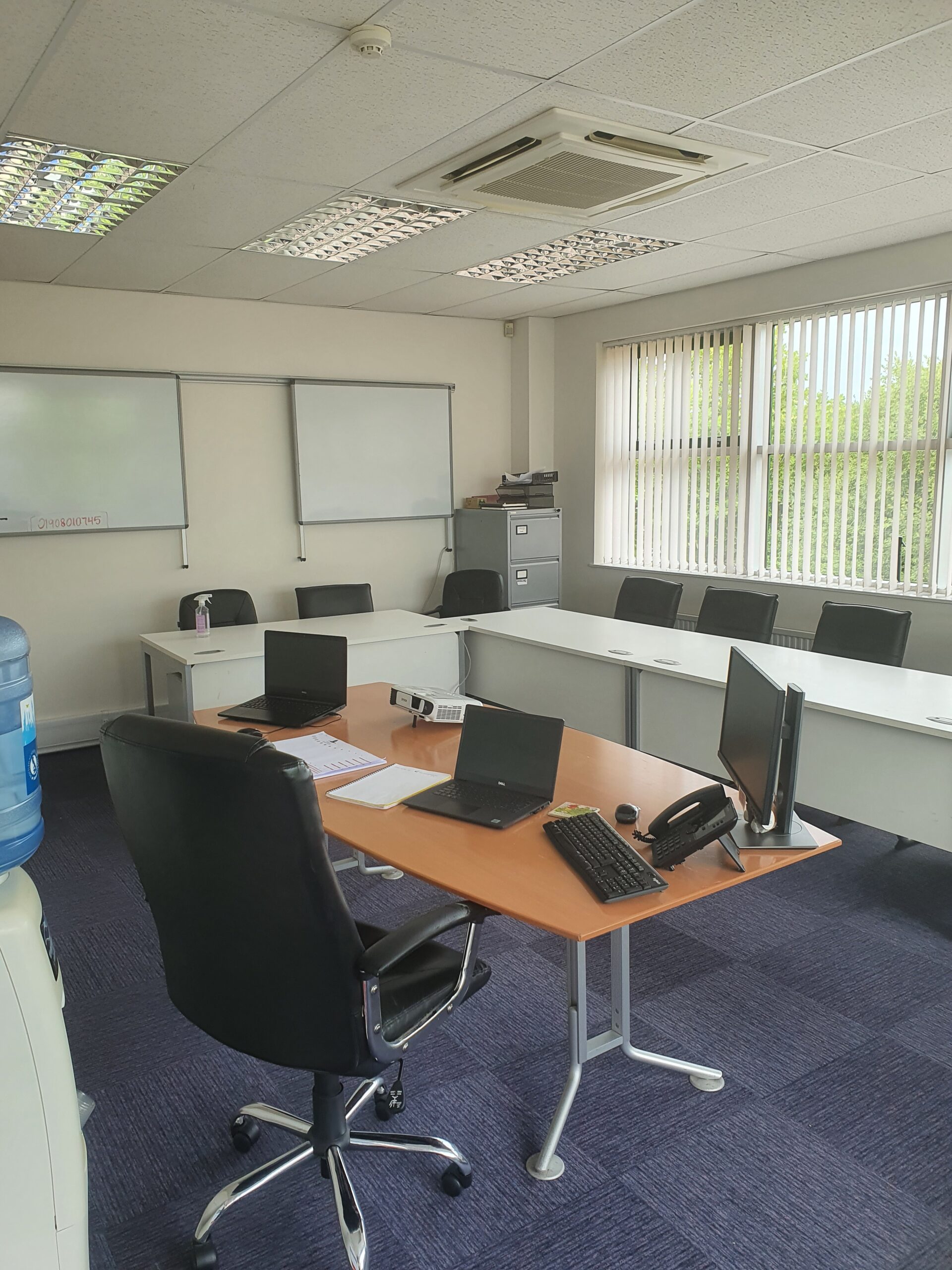
We have our own onsite training room based at our offices in Milton Keynes, providing CPC training or up to 20 drivers at a time. You can see what our MK training room looks like here.

Alternatively, we can provide CPC training online, something that many drivers and organisations found incredibly helpful during the COVID-19 pandemic. Providing flexibility around our training means that we can tailor our training services according to your every need.

We can provide training quickly, meaning if you’re facing a looming deadline for your CPC training we’ve got you covered.

For more information about our CPC courses, or to book your training, contact WeTrainCPC on 01582 383033 or rue@wetraincpc.co.uk.

Have you booked your CPC training yet?

The deadline for the majority of drivers for 5 days of CPC training required every 5 years is 9th September 2024. It feels like a long way off, doesn’t it?

It’s not! At time of writing, its just 780 days. It’s probably less than that now you’re reading this.

It can feel tempting to leave the training for another day later on. But the longer you leave it, the harder it could be to book your training when the time comes.

In 2019, the last time the majority of drivers needed to complete their training, many training providers had to turn drivers and companies away with demand being so high.

This is a legal requirement. If you leave it to the last minute, and then can’t book your training days, you won’t be able to continue to drive.

Don’t delay! Book your training days today with WeTrainCPC

We can provide training in our Milton Keynes based training centre or online – £50+VAT per module.

For more information about our CPC courses, or to book your training, contact WeTrainCPC on 01582 383033 or rue@wetraincpc.co.uk.

Long distance lorry driving – know your stuff!

Long distance lorry driving is a rewarding career with excellent benefits. It can also be fast paced and busy, and learning how to manage large vehicles over long distances is key to a long and successful driving career. Here’s our top tips.

You’re bigger than everyone else! Spatial awareness if key when driving large vehicles – give other vehicles lots of space in front of you as heavy vehicles will take a longer time and distance to break effectively. When changing lanes, be aware of your many blind spots, diligently use your indicators and try to change lanes as little as possible – only when it’s necessary!

Look after yourself. Make sure you take your regular breaks every time, and make sure you are able to get enough sleep between trips. If you’re feeling too tired to drive, never risk it – stop the vehicle in a safe place and where possible aim to take a 15-20 minute power nap.

Maintain your vehicle. It’s important to have a basic understanding of vehicle maintenance just in case. Check your vehicle thoroughly before you start any long journey.

What are your top tips for long distance lorry driving?

For more information about our CPC courses, contact WeTrainCPC on 01582 383033 or rue@wetraincpc.co.uk.

Loneliness and Lorry Driving

Do you drive long distance for a living? There are lots of benefits to driving work, including the excellent salary, flexible hours and freedom. But spending several hours alone every day at work can take its toll, and drivers should be aware of loneliness and how to tackle it. Here’s how.

Share your stories. There are thousands of long distance drivers across the UK, and chances are you’ll know many of them in your workplace – Speak out about how you’re feeling and share the burden. Make sure your employer is aware if you’re feeling low.

Stay in contact when you can. Call your family and friends in your break time, and use social media to share pictures and keep in contact with everyone. Hearing a friendly voice can do the world of good!

Look after yourself. Eat well, take breaks when you need to, and make sure you look after yourself when you’re driving for long periods of time. Failure to do so can not only leave you feeling low but can be dangerous when you’re driving for a long time.

For more information about our CPC courses, contact WeTrainCPC on 01582 383033 or rue@wetraincpc.co.uk.

Work and Drive Well During Summer

It’s coming up to that time of year! Now the clocks have gone forward, it’s only a matter of time before we can all enjoy those long summer days. However, for those working in physically demanding roles on the road, the summer months can be an uncomfortable time to work in. So beat the heat with these top tips!

Keep hydrated. Make a habit of carrying bottled water with you where possible and try to drink as regularly as possible. It’s easy to forget to drink plenty of water, especially when driving long distances. So keep your water close by at all times!

Take a break! If the conditions are hotter than normal, it can be difficult to work at the same pace, especially if there’s no air conditioning! Pace yourself and take a break if necessary.

Stay safe in the sun! If you work outside, it’s easy to forget that during the summer months the sun can be dangerous. Don’t forget to apply sun cream at the start of your day, and during the day if necessary.

What time is it? If possible, you should try to stay out of the sun as much as possible between 12pm – 3pm, as this is when the sun is highest in the sky and can cause the most damage.

For more information about our CPC courses, contact WeTrainCPC on 01582 383033 or rue@wetraincpc.co.uk.

Tyre Punctures: What to do

At least once in our lives we will experience a punctured tyre. If you drive for a living, you’ve got more chance than any of puncturing or blowing a tyre – here’s what to do to keep safe.

Puncture or blow out? Your tyres could be damaged two very different ways. A puncture equates to a slow release of air from one of your tyres; you may quickly or even over time notice your tyre pressure fading, which equates to a puncture. Depending on the severity of the puncture, your tyre can easily be repaired or replaced.

A tyre blow out can be more dangerous. The air is lost immediately from the tyres, due to the tyre losing its integrity – effectively bursting under the pressure of impact or another fault. Aside from the bang, you may notice your vehicle begins to shudder or steer involuntarily left or right.

When a blow out occurs, stay calm! If your vehicle swerves, adjust your steering to follow the direction of the swerve. And no sudden braking! Keep the weight off your front tyres and maintain speed, before changing down your gears, pulling safely to the side of the road and coming to a gradual stop.

Punctures can happen at any time, and often it’s out of our control, so it’s vital you’re prepared to take the correct action when it happens.

For more information about our CPC courses, contact WeTrainCPC on 01582 383033 or rue@wetraincpc.co.uk.

The top priorities for long distance driving

Long distance lorry driving is a rewarding career with excellent benefits. It can also be fast paced and busy, and learning how to manage large vehicles over long distances is key to a long and successful driving career. Here’s our top tips.

You’re bigger than everyone else! Spatial awareness if key when driving large vehicles – give other vehicles lots of space in front of you as heavy vehicles will take a longer time and distance to break effectively. When changing lanes, be aware of your many blind spots, diligently use your indicators and try to change lanes as little as possible – only when it’s necessary!

Look after yourself. Make sure you take your regular breaks every time, and make sure you are able to get enough sleep between trips. If you’re feeling too tired to drive, never risk it – stop the vehicle in a safe place and where possible aim to take a 15-20 minute power nap.

Maintain your vehicle. It’s important to have a basic understanding of vehicle maintenance just in case. Check your vehicle thoroughly before you start any long journey.

What are your top tips for long distance lorry driving?

For more information about our CPC courses, contact WeTrainCPC on 01582 383033 or rue@wetraincpc.co.uk.

The differences between driving a car and a lorry

Demand for van and LGV drivers is high, and driving for a living can be a lucrative and stable career choice. But those considering joining the sector should consider the differences in driving a larger van compared to standard domestic vehicles. Here’s some of the differences to bear in mind.

Even before you start driving there are differences to consider. Driving some larger vehicles requires higher rates of taxes, and you might also find speed limits are different. Additionally, you might see some big differences in how much fuel is needed!

Where’s the mirror? Vans and commercial vehicles don’t come with a central rear view mirror. Side mirrors are vital in the absence of this rear view, especially when manoeuvring.

Driving feels different. When driving larger vehicles, you must consider the height of barriers and bridges, as well as be prepared for slower turning times. Planning is key when driving a van or LGV.

Expect a little extra. Larger vehicles tend to have a sixth gear – this is great for saving fuel when driving on the motorway.

For more information about our CPC courses, contact WeTrainCPC on 01582 383033 or rue@wetraincpc.co.uk.

The pressure is on for Diesel vehicles

There’s no hiding from the fact that diesel vehicles cause A LOT of pollution. Recently there have been protests in the UK demanding all diesel vehicles to be banned from London, much as other major cities around the world have done.

The belief is that 3 million deaths a year are linked to outdoor air pollution, contributed in part to diesel vehicles. This pressing issue obviously has big consequences for the logistics industry, which in many cases relies heavily on diesel vehicles.

It’s clear that there’s a desire for change. Ultra low emissions zones are being introduced all over the country and many large corporations are taking notice of the issues relating to diesel vehicles and acting fast.

With new technology such as electronic vehicles becoming more of a reality, it’s vital that companies start to plan now and start to invest for the change that is coming. New developments in technology mean that cleaner vehicles are becoming more cost effective; it’s best that companies invest now rather than being left unable to operate when changes take place!

For more information about our CPC courses, contact WeTrainCPC on 01582 383033 or rue@wetraincpc.co.uk.

Tips for staying fit and healthy behind the wheel

Driving for a living is a hugely rewarding career, but it’s vital that drivers make sure they take care of themselves in this sometimes fast paced and pressured environment. Read our top tips below for staying fit and healthy on the road.

Eat well and often. With all those service stops, the opportunity for fast food is everywhere – not good for long distance driving! Eat a meal heavy in fibre and protein before you hit the road, and take plenty of healthy snacks with you to enjoy on your journey. Snacking in the right way has huge benefits, and will keep drivers well nourished, full of energy and in good spirits.

Think exercise. It’s so important that drivers find the time for exercising before driving and in breaks to the journey. Even a small amount of exercise will keep drivers in top shape and give a big boost to energy levels.

Keep it social. Driving for a living can sometimes be lonely, so keeping contact safely with friends and family via social media channels or by phone can ease the loneliness and keep up morale. Even using audio books or the radio to fill the silence can make all the difference.

Rest when you need to. Although those who drive for a living are well experienced in the art of driving, it is so important that drivers take a rest from the road regularly.

For more information about our CPC courses, contact WeTrainCPC on 01582 383033 or rue@wetraincpc.co.uk.