
Loading

The issues still facing haulage and logistics in 2022

Last year saw widespread reports of a shortage of HGV drivers alongside a multitude of other challenges facing logistics and haulage. And whilst the government has stepped in and tried to alleviate some of the pressures facing the sector, we’re still facing challenges this year.

The good news is that government intervention has led to a reduction in the driver shortage, with new drivers joining the sector over the last few months. But given an ongoing lack of investment in facilities and conditions, there are concerns that those that have entered the sector afresh may not stay for the long haul. Factors such as high pay and free training will have an impact on whether drivers both continue to join the sector and stay on.

The reports detailing the driving shortage last year highlighted the need for more investment in HGV driver facilities, with the government announcing £50m of funding to improve HGV driver’s parking and rest areas. But how long will it take for the announcement to become a reality for drivers? This could be a crucial development to stopping increased pressures on the sector later on this year.

We’re not out of the woods yet – whilst government intervention is welcome drivers and haulage organisations will be looking for swift changes to make sure the pressures on logistics don’t get worse.

For more information about our CPC courses, contact WeTrainCPC on 01582 383033 or rue@wetraincpc.co.uk.
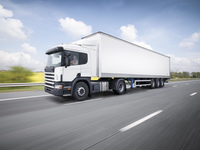
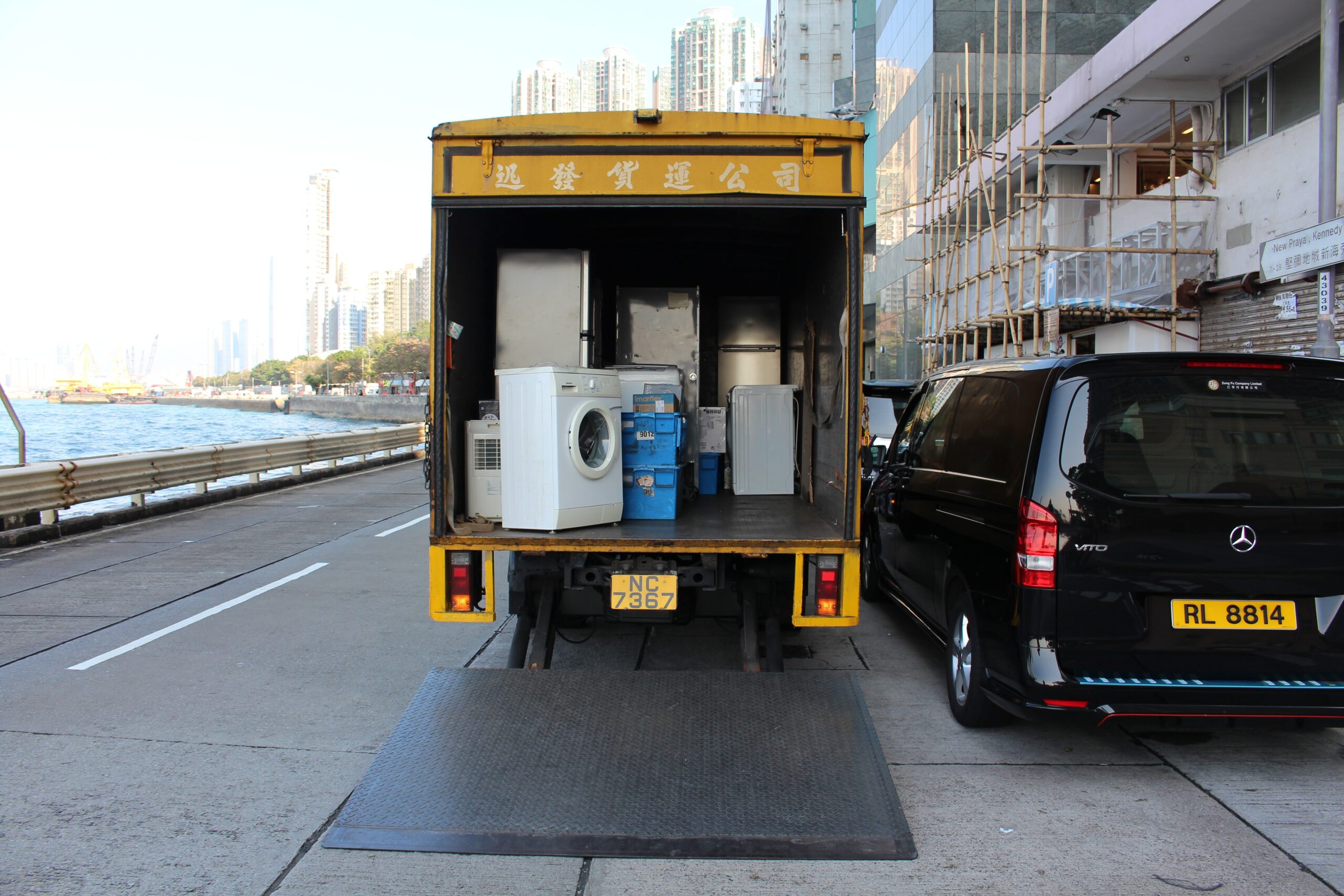
Top tips for logistics in 2022

The power of good logistics remains strong in 2022 – with so much demand for an effective supply chain, it’s important that your logistics plan is fool proof. Here’s our top tips for making sure your logistics plan is effective enough to meet the challenges of 2022.

Start with your goals. Every organisation wants to be effective, but what does that look like for your organisation? Think about the goals you want from your logistics department and make them tangible enough for your team to aim for and reach.

Consider options for automation. There are some areas within logistics that hugely benefit from automation software, so consider what options might work best for you.

Open lines of communication. This is a must, always. Team members should be encouraged to have an open dialogue on logistics procedures and feel empowered to share ideas for innovation. Regular communication on processes and procedures is important to ensure everyone understands their role.

Have a solid contingency plan in place. Considering factors that could have an impact in advance will ensure your logistics plan in most cases will remain unaffected should the unexpected happen.

For more information about our CPC courses, contact WeTrainCPC on 01582 383033 or rue@wetraincpc.co.uk.
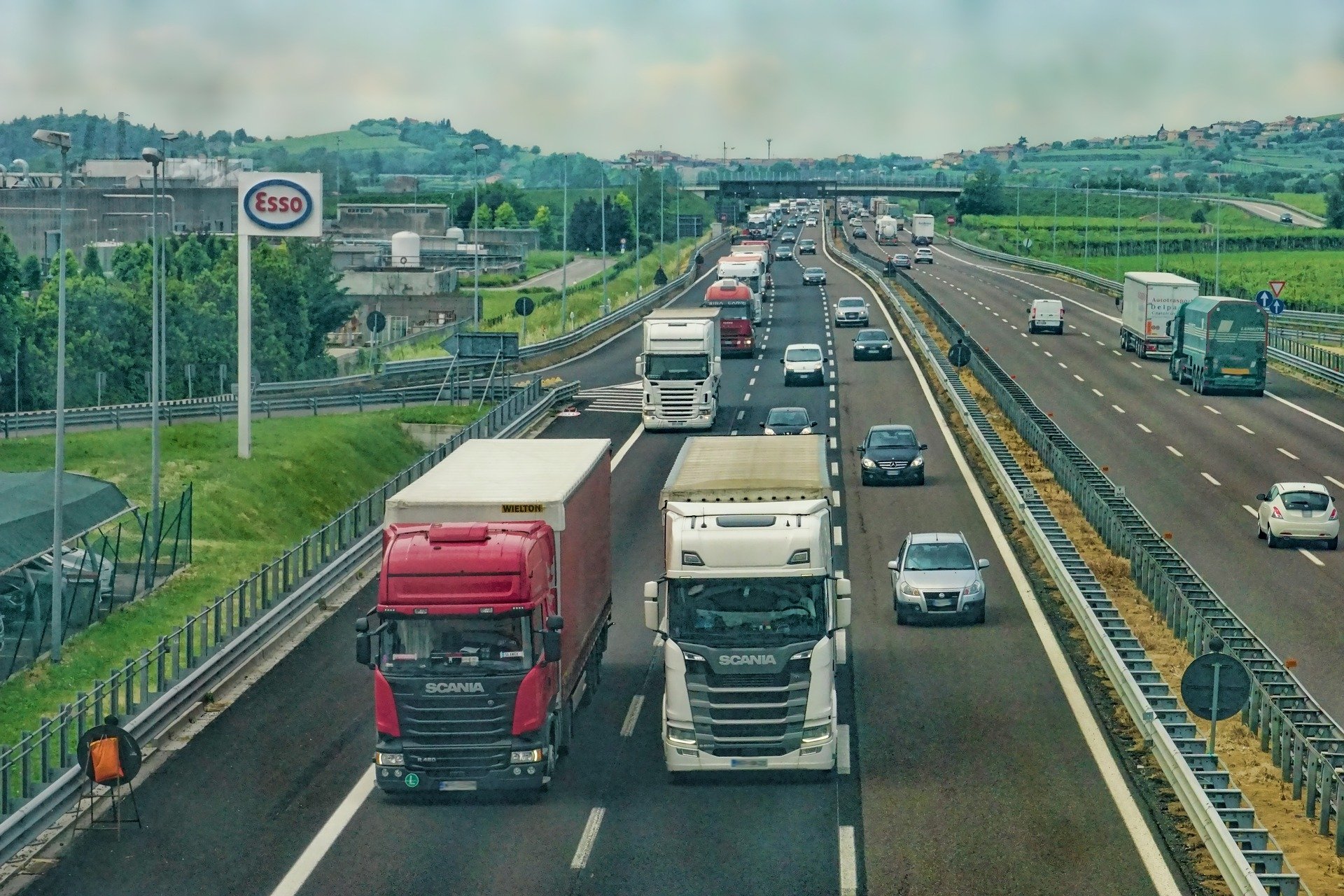
Good news! Conditions and pay are improving for drivers

There’s been a lot of news recently about a shortage of LGV drivers. Many people remain unaware of the importance of drivers for our supply chain and our economy, but COVID-19 and the aftermath of Brexit led to a shortage of drivers that threatened to have a huge impact. Thankfully, things are starting to turn a corner.

The sector and the government has acted quickly to try and alleviate the impact, reviewing rules around LGV drivers working hours and providing more training for new drivers – and as a result, HGV drivers are enjoying pay rises and better working conditions which has helped to attract and retain drivers.

This is good news – but the shortage still remains a big challenge for the longer-term future for logistics.

If you are considering a career in long distance driving, now is a great time to take advantage of the multitude of training opportunities available as well as the improved pay and prospects.

WeTrainCPC offers JAUPT approved Driver CPC training designed to suit you. Choose which training modules you want to sit, choose how many hours you need, and choose from either our Milton Keynes or Luton & Dunstable Training Centres.

For more information about our CPC courses, contact WeTrainCPC on 01582 383033 or rue@wetraincpc.co.uk.

Why you must avoid using your phone whilst driving

Using mobile phones whilst driving was banned way back in 2003. However, even today we still find people using their phones whilst behind the wheel. Whilst checking the road traffic news or a quick look at your messages may seem harmless, these actions can be life threatening.

One in four road accidents are caused in some way mobile phone usage. A split second distraction from the road can cause multiple fatalities if you’re not careful, especially if you are driving a heavy goods vehicle.

Any LGV driver found using a handheld phone whilst behind faces losing their licence and therefore their livelihoods. Is it really worth it?

Employers are also responsible for making sure there is no mobile phone usage behind the wheel. Employers must have clear mobile phone policies in place.

If you need to make contact with someone or use your phone, it is vital that you stop your vehicle fully in a safe place to use your mobile. It’s just not worth the risk.

For more information about our CPC courses, contact WeTrainCPC on 01582 383033 or rue@wetraincpc.co.uk.

What to expect when driving on rural roads

Roads come in all shapes and sizes! And at times, LGV drivers will find themselves faced with driving on VERY rural roads! Roads like this can be very different from motorways – here’s what to expect when driving on rural roads.

The roads can be narrow! Narrow roads can make it difficult to see around corners and to pass oncoming traffic safely. And sometimes narrow roads can be deceptively so! Take it slow and use your height as a benefit to see over bushes where possible.

Subsidence. Rural roads are often the victim of less maintenance and given they are in less built up areas over time roads will subside, leading to potholes and uneven surfaces. Try to stay away from the edges of rural roads where possible but thankfully for most LGVs general potholes and uneven surfaces won’t cause too much trouble.

Mud. Oh yes! As rural roads are often used by tractors and other farming vehicles they’ll often pull mud onto the road, leaving surfaces slippery. In poor weather conditions take extra care when driving across muddy surfaces.

Lack of lighting and road marks. Rural roads have far fewer road markings and lighting than most urban roads and motorways, so be aware of this and stay alert when driving at night.

For more information about our CPC courses, contact WeTrainCPC on 01582 383033 or rue@wetraincpc.co.uk.

Are drivers at risk from air pollution?

HGV Drivers spend many hours on the road, it’s part of the job. And whilst we may not immediately think that air pollution is something that those inside vehicles need to worry about, the reality is that drivers are some of the most vulnerable when it comes to traffic induced air pollution.

In some studies, air pollution has been found to be 10 times higher in vehicles than outside on the road. In addition, pollutants in the air can cause a wide range of illnesses, such as cancer, heart and respiratory disease, as well as mental health being at risk.

Organisations employing drivers must do more to ensure their team members are safe. In addition to the safety of drivers, these disorders can lead to a lack of alertness, in turn leaving other drivers at risk.

Organisations must start to invest in technology that can purify the air drivers breathe whilst driving, as well as educate drivers on the risks of air pollution and encourage drivers to care for their health and wellbeing.

For more information about our online driver CPC courses, contact 01582 383033 or rue@wetraincpc.co.uk.

Drive Safely in the Snow

It’s that time of year where most of us across the country are expecting a wintry snap. Snow can cause hugely hazardous conditions, and it’s even more important for LGV and HGV drivers to be fully prepared – here’s our top tips.

Make sure you are prepared. It’s important to make sure you’re ready to face any challenge – we recommend you stocking up your vehicle with de-icers, jump leads, salt, a torch, a blanket and extra coat, and plenty of fuel at all times.

Keep up to date on conditions. Keep an eye on the latest weather reports where possible – Just keeping an ear to the radio is enough to know if conditions are about to get worse.

Drive safely and smoothly. Take your time, slow down, and allow plenty of extra space between you and other vehicles. Try to maintain a consistent speed and don’t make any sudden moves!

Make sure you inspect your lorry thoroughly. Before making a hazardous journey it’s vital you make some basic checks to ensure your vehicle is road worthy. Check the tyres and lights are in top working condition and not covered in snow. Check your fluid levels and battery too.

For more information about our online driver CPC courses, contact 01582 383033 or rue@wetraincpc.co.uk.

Stay on track with your driving hours

Despite all the pressures being faced by the supply chain at the moment, it’s important to stay safe when driving for a living. For example, it’s easy to accidentally drive longer than legally allowed and tempting to do so when deadlines are tight. But it’s definitely not worth this risk to a professional driver!

Driving for longer hours has its risks. Drivers who are tired risk accidents, both minor and major, that can potentially have a serious impact on the driver and the company they work for.

Driving beyond regulated hours can have serious consequences for both the driver and the organisation they are employed by. In recent cases, drivers found going beyond the regulated working hours lost their licence for 12 months.

Companies who allow drivers to work beyond the regulated hours face tough penalties too. Organisations can face suspension of their transport licences, which can have a huge impact on their productivity, and individuals deemed responsible for allowing such offences to happen could find themselves also unemployed.

So with all those risks in place, is it really worth driving longer than permitted?

For more information about our online driver CPC courses, contact 01582 383033 or rue@wetraincpc.co.uk.

What are the UK’s top service stations?

If you drive for a living across the country, it’s handy to know what makes a welcoming and well stocked service station, and where they are. So, in case you missed it, Which named the top 5 service stations across the UK – And here they are!

  1. Gloucester Services, Gloucestershire (M5)
  2. Tebay Services, Cumbria (M6)
  3. Cairn Lodge (M74)
  4. Norton Canes (M6)
  5. Wetherby (A1M)

Have you visited any of these service stations recently?

There are many features that make a god service station. Not only does the range of amenities available make a difference, but other factors such as levels of staffing can make a huge difference to the overall experience.

Long distance drivers should always aim to take regular breaks from driving – And the better the service station, the more satisfactory the break!

For more information about our online driver CPC courses, contact 01582 383033 or rue@wetraincpc.co.uk.

Fuel saving tips for LGV drivers

Fuel continues to be a huge expense in the logistics sector, and as such it’s vital that LGV drivers remember to consider fuel efficiency when driving. Here’s our top tips!

Have you got cruise control? Cruise control is becoming more and more standard in LGVs, and for a good reason – computers can calculate correct speeds and efficient fuel consumption better than any human. So make good use of it!

Are you block changing? By block changing gears, say from second to forth gear, rather than working up through the gears, you’re absolutely improving your fuel efficiency – so make sure you’re block changing where safe and possible to do so!

Is your engine STILL running? Turn your engine off if you’re not moving anywhere – even if you’re trying to stay warm with the heating on! You’re eating up more fuel than you realise!

Are you feeling resistance? Fuel efficiency in LGVs in particular can suffer from resistance – there are easy ways to combat this, such as plotting less hilly routs for LGVs where possible.

For more information about our online driver CPC courses, contact 01582 383033 or rue@wetraincpc.co.uk.