
Loading

Why more women are considering a career in LGV driving

LGV and HGV driving has been a lucrative career choice for a long time, with many people enjoying the flexibility and financial rewards from driving for a living. But traditionally speaking it’s mostly been men that have taken up these types of roles, and whilst it’s clear that the sector is still dominated by male drivers, things are slowly starting to change. For women, there has never been a better time to consider LGV driving for a living!

Technology has changed the role of drivers for the better – where previously strength and size of workers was an important factor, this is no longer the case, with new technology opening up the role to more people.

With the shortage of drivers continuing to be a huge problem for multiple supply chains, encouraging more women to apply for LGV driving roles could be a fantastic solution to solving the shortage problem but also diversifying the sector.

There are many benefits to LGV driving for a living. Lots of organisations can offer flexibility on work shifts, and the financial benefits are huge!

For more information about our online CPC driver training and to book your next training session, contact us on 01582 383033 or rue@wetraincpc.co.uk.

What to know when long distance LGV driving

Long distance lorry driving is a rewarding career with excellent benefits. It can also be fast paced and busy, and learning how to manage large vehicles over long distances is key to a long and successful driving career. Here’s our top tips.

You’re bigger than everyone else! Spatial awareness if key when driving large vehicles – give other vehicles lots of space in front of you as heavy vehicles will take a longer time and distance to break effectively. When changing lanes, be aware of your many blind spots, diligently use your indicators and try to change lanes as little as possible – only when it’s necessary!

Look after yourself. Make sure you take your regular breaks every time, and make sure you are able to get enough sleep between trips. If you’re feeling too tired to drive, never risk it – stop the vehicle in a safe place and where possible aim to take a 15-20 minute power nap.

Maintain your vehicle. It’s important to have a basic understanding of vehicle maintenance just in case. Check your vehicle thoroughly before you start any long journey.

What are your top tips for long distance lorry driving?

For more information about our online CPC driver training and to book your next training session, contact us on 01582 383033 or rue@wetraincpc.co.uk.

How to drive safely in the rain

Clearly based in the UK the one thing you can expect from the weather is rain. For those who drive for a living, it’s important that they remain safe whilst on the road during rainy conditions. Here’s how.

Slow down! The speed limit is designed for ideal conditions – rain is certainly not ideal. Your braking distance will be increased – stay safe and slow down, leaving plenty of space between yourself and the vehicle in front.

Headlights? There’s no harm in putting your headlights on if visibility is low – and rain can sometimes bring darker conditions. So shine a light!

Watch out for hydroplaning. The technical term for losing grip of the road, it’s more likely you’ll experience this in the rain. If you start to hydroplane, lift your foot off the accelerator and steer straight.

Stay alert. It’s easy to drive almost subconsciously, especially if you’re driving along a known route – make sure you stay alert at all times.

For more information about our online CPC driver training and to book your next training session, contact us on 01582 383033 or rue@wetraincpc.co.uk.

How organisations are coping with the driver shortage

According to recent news reports, a shortage of drivers and other skilled workers is still the biggest challenge faced by the logistics sector. With many organisations and supply chains needing skilled drivers, what is being done to alleviate the driver shortage?

It’s clear that it’s a competitive market for skilled workers and political and economic uncertainty due to Brexit and Covid-19 has left workers seeking security elsewhere. This, coupled with increased and changing customer demands for a seamless service has left finding skilled workers and drivers challenging to some organisations.

Organisations are tackling this shortage by investing in new technology, streamlining their processes as much as possible. The government have also stepped in to review current legislation as well as increasing capacity for HGV driving tests and training. Here at WeTrainCPC we provide low cost CPC training for all drivers, making sure drivers are safe at all times despite the pressure.

For those considering a career change, driving provides a number of benefits, including flexible hours, full training and a competitive salary. Why not give us a call to find out more?

For more information about our online CPC driver training and to book your next training session, contact us on 01582 383033 or rue@wetraincpc.co.uk.

Tackle loneliness whilst long distance driving

Do you drive long distance for a living? There are lots of benefits to driving work, including the excellent salary, flexible hours and freedom whilst working. But spending several hours alone every day at work can be challenging, and drivers should be aware of feeling lonely and how to tackle it. Here’s how.

Speak out and share how you feel. There are thousands of long distance drivers across the UK, and chances are you’ll know lots of them from your work– Speak out about how you’re feeling and share your story. Make sure your employer is aware if you’re finding things tough.

Stay in contact when you can. Call your family and friends in your break time and use social media to share pictures and keep in contact with everyone. Hearing a friendly voice can do the world of good!

Look after yourself. Eat well, take breaks when you need to, and make sure you look after yourself when you’re driving over long periods of time. Failure to do so can not only leave you feeling out of sorts but can also be dangerous when you’re driving for a long time.

For more information about our online CPC driver training and to book your next training session, contact us on 01582 383033 or rue@wetraincpc.co.uk.

Long distance LGV/HGV driving – know your stuff!

Long distance heavy goods driving is a rewarding career with excellent benefits. It can also be fast paced and busy, and learning how to manage large vehicles over long distances is key to a long and successful driving career. Here’s our top tips.

You’re bigger than everyone else! Spatial awareness if key when driving large vehicles – give other vehicles lots of space in front of you as heavy vehicles will take a longer time and distance to break effectively. When changing lanes, be aware of your many blind spots, diligently use your indicators and try to change lanes as little as possible – only when it’s necessary!

Look after yourself. Make sure you take your regular breaks every time, and make sure you are able to get enough sleep between trips. If you’re feeling too tired to drive, never risk it – stop the vehicle in a safe place and where possible aim to take a 15-20 minute power nap.

Maintain your vehicle. It’s important to have a basic understanding of vehicle maintenance just in case. Check your vehicle thoroughly before you start any long journey.

What are your top tips for long distance driving?

For more information about our driver CPC training courses, contact 01582 383033 or rue@wetraincpc.co.uk.

Be careful when driving in hot weather

Summer is on its way! We’re very excited for the warm weather, but it’s vital for those driving for a living that they stay safe when driving long distances in hot conditions. Here’s how.

How are your tyres? Hotter temperatures can cause your tyre pressure to go up – Make sure you regularly check your tyre pressure, as if that pressure gets too high, there could be serious consequences…

Watch out for the vehicle overheating. If your vehicle starts to overheat, pull over as soon as you can, turn off the engine, and let the vehicle have time to cool down. If you can’t pull over immediately, turn your vehicle heating on to divert heat out of the engine. Slightly uncomfortable, but completely worth it.

Check your fluids. We don’t just mean take lots of water with you on your journey – Make sure your coolant, windscreen, brake, transmission fluid and oil are all topped up. These basic checks can make all the difference in avoiding your vehicle overheating.

Look after yourself. Make sure your vehicle is well ventilated and be sure to take regular breaks – the heat can leave drivers feeling lethargic if there’s not a steady supply of fresh air.

For more information about our driver CPC training courses, contact 01582 383033 or rue@wetraincpc.co.uk.

Petrol V Diesel

It’s been a discussion raging on for many years. Which is more efficient – Petrol or Diesel? And what are the pros and cons of each?

Diesel vehicles used to benefit from lower taxes, but this is no longer the case. Equally, diesel vehicles are fitted with a Diesel Particulate Filter, which can clog if you’re not regularly driving on motorways. Diesel vehicles also are in general more expensive that petrol cars; this used to be a cost recuperated by lower taxes, but as this is changing there’s fewer benefits to buying more expensive diesel vehicles.

Diesel vehicles used to hold their value much more than petrol cars, however with recent changes in legislation, with higher taxes for diesel vehicles, it is expected this will soon change.

There is also a move by many global cities to ban diesel vehicles by 2025, as they produce more Nitrogen Dioxide than petrol cars, which is thought to have bad effects on our respiratory system.

There are positives for fans of diesel vehicles; although Diesel at the pump is slightly more expensive than petrol, on average diesel vehicles have a better fuel economy that petrol vehicles.

What’s your preference?

For more information about our online driver CPC courses, contact 01582 383033 or rue@wetraincpc.co.uk.

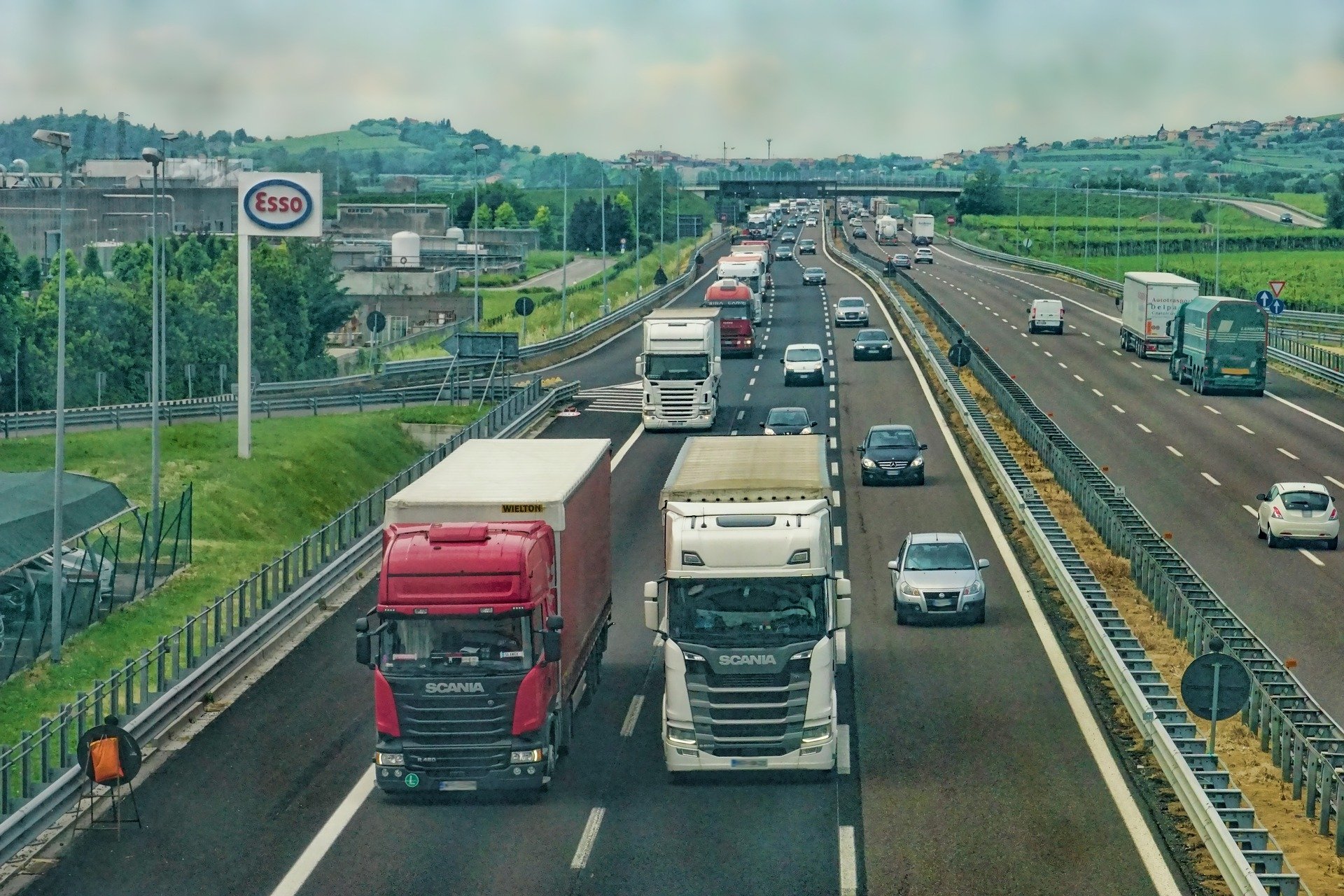
What are the pros and cons of electric vehicles?

More and more organisations and supply chains are going eco friendly and electric vehicles are becoming ever more popular as a solution to the huge amount of pollution caused by traffic. Some in the logistics sector are starting to move to electric HGVs, but will we see full electric fleets anytime soon? What are the pros and cons of electric vehicles?

PROS

Going electric clearly has a number of benefits. Running a cleaner fleet is clearly of benefit to the climate, which can be a fantastic selling point to potential customers, beyond the obvious benefits to the environment. In addition, after the initial investment electric vehicles are cheaper to run, requiring less servicing and fewer replacement parts.

CONS

Despite the benefits, there are some things to consider when looking into going electric! If overcharged, electric vehicle batteries can get damaged, and currently electric vehicles can’t do long distances on one charge. At the moment electric vehicles have a capacity of about 250-300 miles per charge, and with limited charging stations across the country this could prove a challenge for now.

For more information about our online driver CPC courses, contact 01582 383033 or rue@wetraincpc.co.uk.

Driving Offences: What you need to know

If you drive for a living, your licence is of utmost importance, and driving offences can complicate matters. Here’s everything you need to know about what to do if you have or acquire a driving offence if you drive for a living.

What driving offence? There are a wide number of driving endorsements a driver can receive at any time, with the most common types of offences including speeding and driving through red lights. Adhere to the law at all times when driving; the best solution is to avoid getting any endorsements in the first place!

Be honest. If you drive for a living, it’s temping to lie about any endorsements – it’s vitally important that you be honest at all times. Lies could lead to insurance policies being invalidated which could have grave consequences. Plus it’s pointless; many companies can run checks on your licence and any endorsements will be revealed.

What does this mean? A driving offence doesn’t necessarily mean you can’t drive for a living any longer. Many organisations will take on drivers with limited or mild offences, depending on the circumstances, so keep applying – and always declare it!

For more information about our online driver CPC courses, contact 01582 383033 or rue@wetraincpc.co.uk.